


Evaluation in thoracic surgery is not limited to the operation itself. Determining whether a disease requires surgical treatment, reviewing the necessary tests, planning the appropriate surgical method and postoperative follow-up are all part of the process.
The treatment approach is determined individually, based on the type, location and extent of the disease, the patient's respiratory capacity, general health and any coexisting conditions. For this reason, different follow-up or treatment options may be considered for people with the same disease.
Which Diseases Does Thoracic Surgery Treat?
Thoracic surgery covers a wide range of benign and malignant diseases. A thoracic surgery evaluation may be needed in the diagnosis and treatment of certain diseases that arise in the lungs, the pleura, the mediastinum and other structures within the chest cavity.Not every disease requires surgery. In some cases, imaging follow-up, medication, bronchoscopic procedures or other medical methods may be appropriate. Whether surgery is necessary is decided by evaluating the characteristics of the disease together with the patient's general health.

Lung Cancer
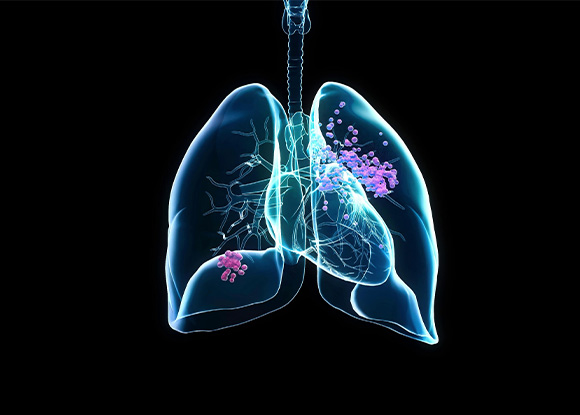
Lung cancer is a group of diseases that develop as a result of the uncontrolled growth of cells in lung tissue. The role of surgery in treatment depends on many factors, including the tumor's cell type, stage and location within the lung, the status of the lymph nodes and the patient's respiratory capacity.
For patients who are suitable for surgery, the extent of the procedure is determined according to the characteristics of the disease. In addition to thoracic surgery, treatment planning may also require assessments from other specialties such as pulmonology, medical oncology, radiation oncology, radiology and pathology.
Lung Nodule
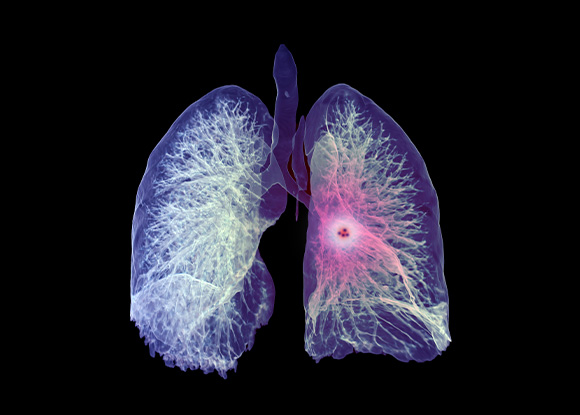
A lung nodule is a well-defined spot detected within lung tissue on imaging tests such as computed tomography. It may arise from various causes, including past infections, benign growths, inflammatory diseases or lung cancer.
Not every lung nodule means cancer. The need for follow-up, further testing, biopsy or surgery can be determined by evaluating the nodule's size, shape, structure, change compared with previous scans and the patient's risk factors together.
Pneumothorax
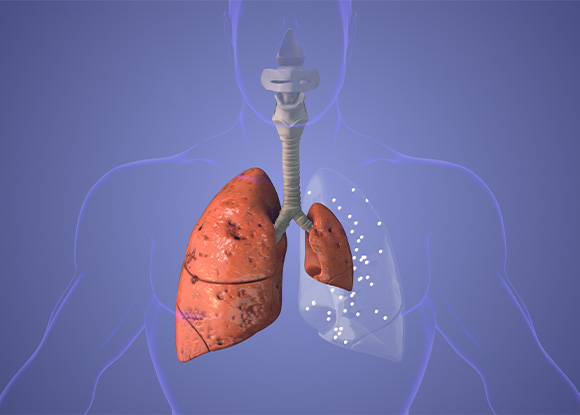
Pneumothorax is the partial or complete collapse of the lung caused by air collecting in the pleural space between the lung and the chest wall. It can develop spontaneously, or it may occur due to an underlying lung disease, trauma or after certain medical procedures.
The treatment approach varies according to the size and cause of the pneumothorax and the patient's clinical condition. In some situations, such as recurrent pneumothorax or a persistent air leak, surgical treatment may be considered.
Pleural Diseases
The pleura is a thin, two-layered membrane that covers the outer surface of the lungs and lines the inside of the chest cavity. Various diseases can affect this area, including pleural effusion, empyema, pleural tumors and mesothelioma.
The method of diagnosis and treatment for pleural diseases varies according to the cause and extent of the disease. In some cases, analysis of the pleural fluid, biopsy or thoracoscopic surgical methods may be used.
Mediastinal and Thymic Diseases
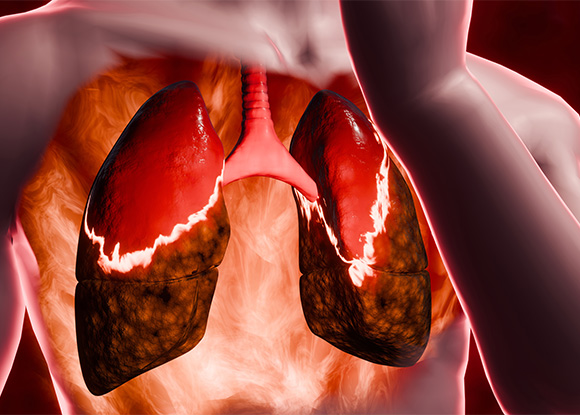
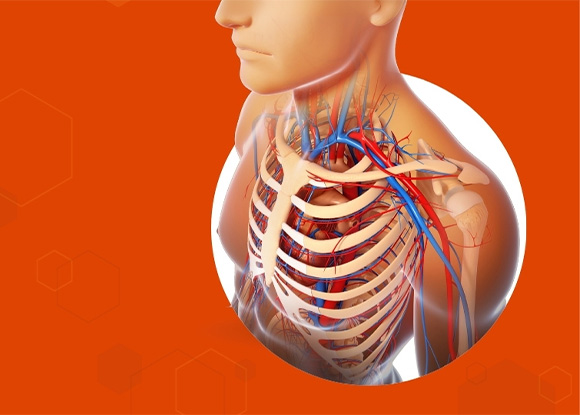
The mediastinum is the area between the two lungs that contains various anatomical structures, including the heart, great vessels, trachea, esophagus, lymph nodes and thymus gland.
Benign or malignant tumors, cysts, enlarged lymph nodes and diseases originating from the thymus can be seen in this area. The need for surgery is evaluated according to the type, size and location of the mass and its relationship with surrounding structures.
Lung Transplantation
Lung transplantation is an advanced treatment option that may be considered for certain advanced, irreversible lung diseases. A transplant evaluation may be considered for conditions such as COPD and emphysema, pulmonary fibrosis, cystic fibrosis, bronchiectasis and pulmonary hypertension.
Transplantation is not a process that consists of surgery alone. Candidacy evaluation, the waiting list, the surgical procedure, intensive care, rehabilitation, the use of immunosuppressive medications and long-term follow-up are all part of the process. Decisions on transplant candidacy are made following a detailed evaluation at authorized organ transplant centers.
The Evaluation Process in Thoracic Surgery
The evaluation process in thoracic surgery varies depending on the disease. Methods such as computed tomography, PET-CT, pulmonary function tests, bronchoscopy, EBUS, laboratory tests or tissue sampling may be used as needed.When planning surgery, not only the imaging findings of the disease but also the patient's respiratory and circulatory capacity, coexisting conditions and the extent of the planned procedure are taken into account.
Where appropriate, minimally invasive surgical methods such as VATS may be used. However, not every disease or every patient may be suitable for minimally invasive surgery. The surgical approach is determined on the basis of performing the procedure safely and in a way that suits the characteristics of the disease.