Hand Sweating
What Causes Hand Sweating? Information on the Causes and Diagnosis of Palmar Hyperhidrosis, Iontophoresis, Antiperspirants, Botulinum Toxin, and Other Treatment Options.

Hand Sweating (Palmar Hyperhidrosis)
Sweating of the hands is part of the body's natural temperature-regulation mechanism. Increased sweating in hot weather, during physical activity, fever, stress, or excitement can be a normal physiological response. However, if sweating occurs regardless of the body's need to cool down, continues even in cool environments, or becomes intense enough to noticeably affect daily life, it may be excessive hand sweating, known as palmar hyperhidrosis. The palms may stay slightly damp, or in more severe cases visible droplets of sweat may form and sweat may drip from the fingertips. Excessive hand sweating can affect writing, handling paper and documents, using electronic devices, gripping work tools, and physical contact. Primary palmar hyperhidrosis usually begins in childhood or adolescence. It typically affects both hands similarly and decreases during sleep. Some people may also have sweating of the feet, underarms, face, or scalp.
What Is Palmar Hyperhidrosis?
- Intermittent mild dampness of the palms
- Wetness that leaves marks on paper
- Moisture that makes it difficult to use touchscreens or electronic devices
- Constant wetness of the palms
- Visible droplets of sweat
- In severe cases, sweat dripping from the fingertips
How Does Hand Sweating Affect Daily Life?
- Writing
- Handling paper and documents
- Using phones, tablets, and computers
- Using touchscreens
- Working with electronic equipment
- Gripping pens and small tools
- Playing musical instruments
- Holding sports equipment
- Working with technical or precision tools
- Shaking hands and physical contact
What Is Primary Palmar Hyperhidrosis?
- Begins in childhood or adolescence
- Affects both hands in a similar, relatively symmetrical way
- Is recurrent
- Is more noticeable during waking hours
- Decreases or disappears during sleep
- May increase with heat, stress, or excitement
- May also occur in other members of the same family
What Is Secondary Hand Sweating?
- Sweating that begins for the first time in adulthood
- A marked increase over a short period
- Noticeably more sweating in one hand than the other
- Sweating that continues during sleep
- Sweating over large areas of the body
- Accompanying fever, palpitations, or tremor
- Unexplained changes in weight
- Muscle weakness or neurological symptoms
- Onset after starting a new medication
- Overactive thyroid gland
- Low blood sugar
- Diabetes
- Menopause and hormonal changes
- Febrile illnesses and certain infections
- Certain neurological diseases
- Conditions affecting the autonomic nervous system
- Certain systemic diseases
- Use of alcohol or certain substances
- Side effects of certain medications
Is Hand Sweating Genetic?
Why Does Stress Increase Hand Sweating?
Stress, excitement, embarrassment, and anxiety can increase the activity of the sympathetic nervous system. This can lead to greater stimulation of the sweat glands in the palms. In people with primary palmar hyperhidrosis, this response may be more pronounced. Even the thought that one's hands will sweat during a handshake, meeting, presentation, or other social situation can trigger a new stress response and increase sweating. This does not mean that palmar hyperhidrosis is purely psychological. Palmar hyperhidrosis is a physical sweating disorder; however, emotional triggers can affect the severity of symptoms.

Does Hand Sweating Continue During Sleep?
- A very warm sleeping environment
- Febrile illnesses
- Certain infections
- Hormonal or metabolic conditions
- Certain medications
- Night sweats affecting the whole body
Night sweats alone do not establish the diagnosis of a specific disease. The time of onset, distribution, and other accompanying symptoms are evaluated together.
Can Hand and Foot Sweating Occur Together?
How Is the Severity of Hand Sweating Assessed?
- How often the sweating occurs
- Whether both hands are affected
- Whether visible droplets form
- Whether writing is affected
- Difficulties using electronic devices
- Whether the use of tools or equipment is affected
- Occupational limitations
- Avoidance of physical contact
- Skin problems
- Response to previous treatments
Mild palmar hyperhidrosis may be limited to intermittent dampness. With moderate sweating, the hands may regularly become noticeably wet, and writing or using devices may sometimes become difficult. In severe palmar hyperhidrosis, visible droplets of sweat may form, and daily, occupational, or social activities may be significantly affected. This grouping is not a definitive laboratory classification.
How Is Palmar Hyperhidrosis Diagnosed?
- The age at which sweating began
- How long it has been going on
- Whether both hands are affected
- Whether it continues during sleep
- Situations that increase sweating
- Family history
- Medications being used
- Other medical conditions
- Whether there is sweating of the feet, underarms, face, or scalp
- Its impact on daily life
- Previous treatments
If there is a typical history consistent with primary palmar hyperhidrosis, extensive laboratory testing is not necessary for everyone. When secondary hyperhidrosis is suspected, depending on the person's symptoms, tests such as the following may be considered:
- Blood sugar
- Thyroid function tests
- Blood count
- Kidney and liver function
- Tests related to infection or hormones
- Review of medications being used
Are Sweat Tests Necessary for Hand Sweating?
Are There Other Conditions That Resemble Hand Sweating?
- Fever and infection
- Low blood sugar
- Thyroid diseases
- Anxiety or panic attacks
- Side effects of certain medications
- Diseases affecting the autonomic nervous system
- Certain skin diseases
- Constant glove use
- Hot, poorly ventilated work environments
Sweating that consistently affects only one hand is not typical of primary palmar hyperhidrosis. If one-sided sweating is accompanied by numbness, weakness, pain, or marked color changes, neurological or circulatory causes are also evaluated.
How Is Hand Sweating Treatment Planned?
- Whether the sweating is primary or secondary
- Its severity
- Its impact on daily life
- Skin type
- Medications being used
- Coexisting conditions
- Previous treatments and the response to them
In primary palmar hyperhidrosis, treatment usually starts with less invasive methods. Options that may be considered include:
- Adjustments to daily routines
- Antiperspirants
- Iontophoresis
- Certain topical medications
- Certain oral medications
- Botulinum toxin injections
- Psychological or behavioral approaches, when needed
- Endoscopic thoracic sympathetic surgery in selected severe cases
If one method is not sufficient, this does not automatically mean that surgical treatment is required. The goal of treatment is not necessarily to make the hands completely dry, but to reduce the impact of sweating on daily functioning.
How Is Iontophoresis Used for Hand Sweating?
Possible effects include:
- Tingling
- Dry skin
- Redness
- Irritation
- Discomfort at small cuts or cracks in the skin
For people with a pacemaker or certain implanted electronic devices, during pregnancy, and in certain health conditions, the suitability of the method is evaluated separately.
Topical Medications
Some topical anticholinergic products may cause local or systemic effects such as:
- Skin irritation
- Dry mouth
- Blurred vision
- Dilation of the pupil if the medication comes into contact with the eye
- Difficulty urinating
Because medications applied to the hands may be transferred to the eyes or other parts of the body, following the instructions for use is important. The approved uses and availability of these products may vary from country to country.
Oral Medications
Possible side effects include:
- Dry mouth
- Constipation
- Blurred vision
- Dry eyes
- Difficulty urinating
- Changes in heart rate
- Drowsiness
- Problems with concentration
- Difficulty regulating body temperature in hot environments
Sweating is one of the body's natural temperature-control mechanisms. For this reason, suppressing sweat production over large areas is a concern, especially in hot weather, during fever, or during intense physical activity. Whether the medication is suitable is evaluated according to the person's age, overall health, and other medications they are taking.
Is Botulinum Toxin Used for Hand Sweating?
Possible side effects include:
- Injection pain
- Bruising
- Temporary tenderness
- Temporary muscle weakness
- Temporary reduction in grip strength
- Temporary difficulty with certain finger movements
In some people, these effects may temporarily affect daily tasks or work activities. The licensed uses of botulinum toxin for hyperhidrosis may differ from country to country.
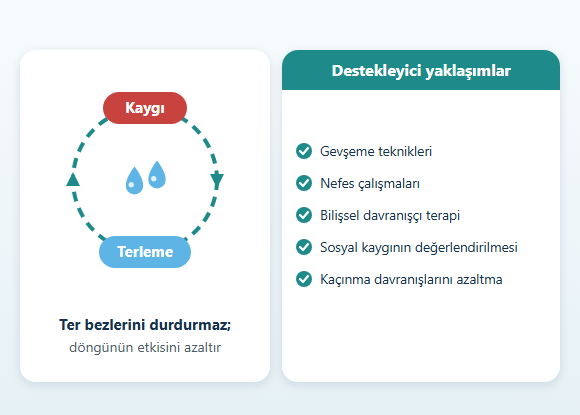
Is There a Role for Anxiety and Stress Management?
- Relaxation techniques
- Breathing exercises
- Cognitive behavioral therapy
- Evaluation of significant social anxiety
- Reducing avoidance behaviors
What Is the Role of ETS in Treating Hand Sweating?
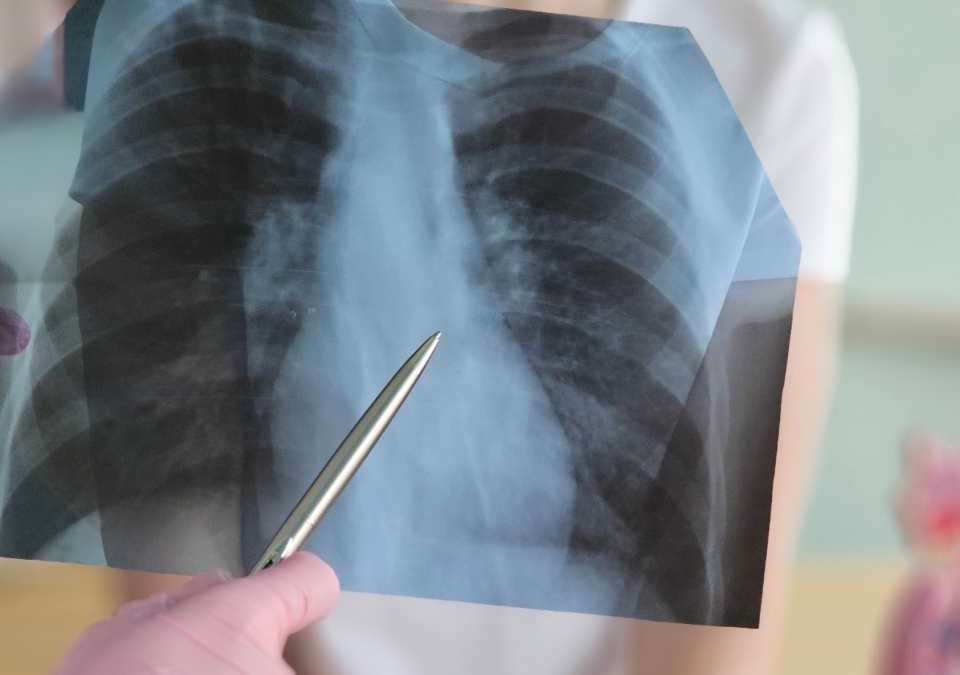
Endoscopic thoracic sympathetic surgery, commonly called ETS, refers to surgical methods based on interrupting certain sympathetic nerve pathways inside the chest. Because the sympathetic nervous system plays a role in excessive hand sweating, ETS can reduce hand sweating in selected severe cases of primary palmar hyperhidrosis. However, surgery is generally not considered a first-line treatment. Surgical evaluation may be considered particularly when:- primary palmar hyperhidrosis has been confirmed,
- the sweating is severe,
- daily, occupational, or social activities are significantly affected,
- adequate control cannot be achieved with appropriate non-surgical methods,
- the permanent and unpredictable consequences of sympathetic surgery are understood.
Can ETS Be Reversed?
Sympathetic nerve surgery should not be regarded as a reliably reversible procedure. Different surgical techniques may affect the sympathetic nerve pathway in different ways. Although surgical clips are used in some procedures instead of cutting the nerve, the fact that a clip can later be removed does not mean that nerve function or the previous sweating pattern will necessarily return. Pressure-related changes, scar tissue, or other permanent effects may develop in the nerve tissue. For this reason, sympathetic nerve surgery is evaluated with its long-term outcomes in mind.What Are the Possible Risks of ETS?
Being performed with a minimally invasive (closed) technique does not mean that thoracic sympathetic surgery is risk-free. Possible outcomes and complications include:- compensatory sweating,
- excessive dryness of the hands,
- persistent hand sweating,
- recurrence of sweating,
- different results in the two hands,
- gustatory (taste-related) sweating,
- pneumothorax,
- hemothorax,
- bleeding,
- infection,
- chest or nerve-related pain,
- a decrease in heart rate,
- Horner syndrome,
- anesthesia-related complications
What Is Compensatory Sweating?
Compensatory sweating is new or increased sweating that appears after sympathetic surgery in areas of the body that previously sweated less. It most commonly occurs in areas such as the:- back,
- chest,
- abdomen,
- lower back,
- buttocks,
- groin,
- legs
Can the Hands Become Too Dry After Treatment?
After some treatments, especially sympathetic surgery, sweating in the palms may fall below the normal physiological level. Excessive dryness can cause:- tightness of the skin,
- cracking,
- peeling,
- sensitivity,
- a different sensation when gripping objects,
- the need to use moisturizer more often
Can Hand Sweating Return After Treatment?
The effect of most non-surgical methods used for palmar hyperhidrosis is temporary. When treatment is stopped or its effectiveness wanes, sweating may increase again. Even after surgery, sweating may not disappear completely or may return over time. Possible reasons for this include:- nerve anatomy that varies from person to person,
- additional sympathetic nerve pathways,
- changes in nerve conduction that develop over time,
- the original sweating being due to a secondary cause
Why Is Follow-Up After Treatment Important?
Follow-up involves more than just checking whether the palms are dry. The following may also be considered:- changes in everyday hand function,
- skin dryness,
- compensatory sweating,
- changes in sweating of the feet or other areas,
- gustatory (taste-related) sweating,
- chest or nerve-related complaints after surgery,
- recurrence of sweating,
- effects and side effects of medications being used,
- social and psychological effects.
When Is Medical Evaluation Important for Hand Sweating?
Sweaty hands do not always mean there is a disease. However, evaluating the cause of sweating becomes important when any of the following are present:- Sudden onset of sweating
- Only one hand being affected
- A marked difference between the two hands
- Heavy sweating during sleep at night
- Sweating that affects the whole body
- Accompanying fever, palpitations, tremor, or unexplained weight changes
- Symptoms appearing after starting a new medication
- Numbness, weakness, pain, or marked color change
- Sweating that significantly affects daily life