Lung Cancer
Information on Lung Cancer Symptoms, the Diagnosis and Staging Process, PET-CT, EBUS, Biopsy, VATS, Segmentectomy, Lobectomy and Surgical Treatment.
What Is Lung Cancer? Symptoms, Diagnosis and Surgical Treatment
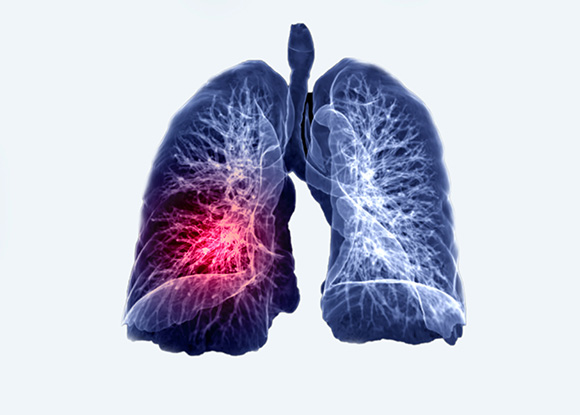
Lung cancer is a group of diseases that develop as a result of the uncontrolled growth of cells in the lung or bronchial tissue.
It is not a single disease. It includes various tumor types with different cellular characteristics, biological behaviors and treatment approaches.
In lung cancer, the treatment plan is not determined by tumor size alone. The type of cancer, the stage of the disease, the status of the lymph nodes, the tumor's location within the lung, its molecular characteristics, the person's respiratory capacity and general health are all evaluated together.
Surgery may be one of the treatment options, particularly for non-small cell lung cancers that can be completely removed. However, surgery is not suitable for every lung cancer patient, and some patients may need medication-based treatments, radiation therapy or a combination of different treatments.
What Are the Types of Lung Cancer?
- Non-small cell lung cancer
- Small cell lung cancer
Non-Small Cell Lung Cancer
The main subtypes are:
- Adenocarcinoma
- Squamous cell carcinoma
- Large cell carcinoma
- Other, less common subtypes
Surgery may be one of the treatment options, particularly when the disease can be completely removed. However, the decision to operate is not based solely on the cellular type of the cancer. The stage of the disease, the anatomical features of the tumor, the status of the lymph nodes and whether the person can physiologically tolerate the operation are also evaluated.
Small Cell Lung Cancer
What Causes Lung Cancer?
- Smoking and the use of other tobacco products
- Exposure to secondhand smoke
- Radon exposure
- Long-term exposure to asbestos and certain occupational substances
- Air pollution
- Certain chronic lung diseases
- Previous radiation therapy to the chest area
- Family history and genetic predisposition
What Are the Symptoms of Lung Cancer?
Possible symptoms may include:
- A persistent or long-lasting cough
- A change in the character of an existing cough
- Coughing up blood
- Shortness of breath
- Chest pain
- Recurrent lung infections
- Hoarseness
- Loss of appetite
- Unintentional weight loss
- Fatigue
- Shoulder or back pain
Can Lung Cancer Appear as a Lung Nodule?
Some lung cancers may be detected on imaging as a lung nodule. However, a lung nodule and lung cancer are not the same thing. A lung nodule is an imaging finding. It can arise from many non-cancerous causes, such as infection, scar tissue, inflammatory diseases and benign growths. When assessing the likelihood that a nodule is cancer, its size, density, shape, margin characteristics, change over time and the person's individual risk factors are considered together.

How Is Lung Cancer Diagnosed?
Methods that may be used in the diagnostic process include:
- Computed tomography
- PET-CT
- Bronchoscopy
- EBUS
- Transthoracic needle biopsy
- Pleural fluid analysis
- Pleural biopsy
- Lymph node biopsy
- Mediastinoscopy
- Surgical biopsy
Why Is Computed Tomography Used in Lung Cancer?
CT can provide information about:
- The size of the tumor
- Its location within the lung
- Its relationship to surrounding structures
- Lymph nodes within the chest
- Other lesions in the lung
Why Is PET-CT Performed in Lung Cancer?
When lung cancer is suspected, it may be used for:
- Evaluating the primary tumor
- Examining the lymph nodes
- Searching for suspicious areas in other parts of the body
Why Is Bronchoscopy Performed in Lung Cancer?
- Visualizing the tumor
- Evaluating its relationship to the airways
- Taking a tissue sample
What Is EBUS in Lung Cancer?
How Is a Biopsy Performed in Lung Cancer?
Why Is Pathological Examination Important?
This examination can determine:
- Whether cancer is present
- The cellular type of the lung cancer
- Certain tumor characteristics
How Is Lung Cancer Staged?
In non-small cell lung cancer, staging is based mainly on:
- The size and local spread of the primary tumor
- Involvement of lymph nodes within the chest
- Whether there is spread to distant organs
Depending on the patient's condition, staging may use:
- Computed tomography
- PET-CT
- Brain imaging
- EBUS
- Lymph node biopsies
- Mediastinoscopy
- Other necessary imaging or biopsy methods
How Is Lung Cancer Treatment Planned?
Treatment planning may take the following into account together:
- The cellular type of the cancer
- The stage of the disease
- The location of the tumor
- Molecular and biological characteristics
- The status of the lymph nodes
- Lung function
- Function of the heart and other organs
- General health
- Previous treatments
In suitable patients, treatment options may include:
- Surgery
- Chemotherapy
- Radiation therapy
- Immunotherapy
- Targeted therapies
What Is Multidisciplinary Evaluation in Lung Cancer?
Specialties that may be involved in the process include:
- Thoracic surgery
- Pulmonology
- Medical oncology
- Radiation oncology
- Radiology
- Nuclear medicine
- Pathology
When Is Surgery Performed for Lung Cancer?
The following are also evaluated:
- The location of the tumor
- Its relationship to the airways
- Its relationship to the major blood vessels
- The status of the lymph nodes
- Spread to distant organs
- Respiratory capacity
- Cardiovascular function
- General health
What Are the Types of Lung Cancer Surgery?
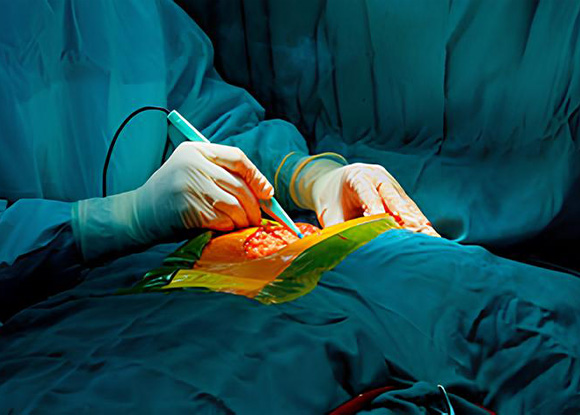
The amount of lung tissue removed in lung cancer surgery is not the same for every patient. The size, location and stage of the tumor, the surgical margins and the person's respiratory capacity are taken into account. When appropriate, the main goal is to preserve as much healthy lung tissue as possible while performing adequate cancer surgery.
Wedge Resection
In a wedge resection, the tumor or nodule is removed together with a limited amount of surrounding lung tissue. This procedure does not follow the anatomical boundaries of the lung segments. It may be used for diagnostic purposes and may also be considered in selected patients with small, peripheral lung tumors.Segmentectomy
Segmentectomy is the removal of an anatomical segment of a lung lobe together with the airway and blood vessels belonging to that segment. It is more anatomical and extensive than a wedge resection, but it allows more healthy lung tissue to be preserved than a lobectomy. It may be considered as a surgical treatment option in selected patients with small, early-stage lung cancers without lymph node involvement.In making the decision, the following are evaluated together:
- The size of the tumor
- The location of the tumor
- Whether adequate surgical margins can be achieved
- The status of the lymph nodes
- Lung function
Lobectomy
Lobectomy is the anatomical removal of the lung lobe in which the tumor is located. It is one of the most commonly performed anatomical resections for operable non-small cell lung cancer. However, not every early-stage lung cancer automatically requires a lobectomy. In appropriately selected patients, more limited anatomical resections such as segmentectomy may also be considered depending on the characteristics of the tumor.Sleeve Resection
In a sleeve resection, the section of the airway affected by the tumor is removed and the remaining airway is reconnected. In selected centrally located tumors, this method can allow the cancerous tissue to be removed without the need to remove the entire lung. In some cases, adjacent blood vessels may also need to be removed and reconstructed.Pneumonectomy
Pneumonectomy is the removal of an entire lung. It may be necessary for some central tumors affecting the main bronchus or major blood vessels if adequate cancer surgery cannot be achieved with a more limited operation. Because pneumonectomy has a greater effect on respiratory capacity than more limited lung resections, preoperative physiological evaluation is especially important. When appropriate, surgical methods that can preserve more healthy lung tissue are considered.Why Are Lymph Nodes Removed During Lung Cancer Surgery?
What Is VATS Lung Cancer Surgery?
In suitable patients, the following can be performed with VATS:
- Wedge resection
- Segmentectomy
- Lobectomy
- Lymph node procedures
- Lung and pleural biopsies
The tumor's:
- Size
- Location
- Relationship to the major blood vessels
- Relationship to the airways
What Does It Mean When VATS Surgery Is Converted to Open Surgery?
When necessary, the surgical approach may be changed in order to:
- Complete the operation safely
- Control bleeding
- Evaluate anatomical structures safely
- Achieve appropriate oncological surgical margins
What Is Open Lung Cancer Surgery?
Open surgery may be used:
- For large tumors
- For centrally located tumors
- For cancers affecting neighboring structures
- When complex airway reconstruction is required
- In some operations requiring blood vessel reconstruction
The choice between minimally invasive and open surgery is not based solely on incision size. The main goal is to perform the necessary cancer surgery safely and in accordance with oncological principles.
What Tests Are Performed Before Lung Cancer Surgery?
Before lung cancer surgery, two main questions are evaluated:- Can the disease be appropriately removed surgically?
- Can the person physiologically tolerate the planned lung resection?
- PET-CT
- Computed tomography
- Brain imaging
- Pulmonary function tests
- Cardiac evaluation
- Exercise capacity tests
- Bronchoscopy
- EBUS or other lymph node sampling
- Blood tests
- Anesthesia evaluation
How Does Lung Function Affect Lung Cancer Surgery?
In lung surgery, it is not enough for the tumor simply to be removable. It is also evaluated whether the lung tissue remaining after the planned resection will be able to meet the person's breathing needs. For this reason, pulmonary function tests and, when necessary, additional tests that assess exercise capacity may be used. As the extent of the planned operation increases, assessing the expected postoperative respiratory capacity may become more important.What Does the Pathology Report Show After Lung Cancer Surgery?
The tumor, lung tissue and lymph nodes removed during surgery are examined in detail in the pathology laboratory.The pathology report can provide information about:
- The exact type of cancer
- The actual size of the tumor
- The status of the surgical margins
- Involvement of blood vessels or the lymphatic system
- Pleural involvement
- Whether cancer is present in the lymph nodes
- The pathological stage
Is Additional Treatment Needed After Lung Cancer Surgery?
Not every patient needs additional treatment after surgery.The need for additional treatment may be assessed based on factors such as:
- The pathological stage
- The status of the lymph nodes
- The surgical margins
- The biological characteristics of the tumor
- Molecular characteristics
- Previous treatments
- The person's general health
How Is Follow-Up Carried Out After Lung Cancer Surgery?
The follow-up program is planned according to the type of cancer, its pathological stage, the treatments given and the person's general health.Follow-up may include:
- Clinical evaluation
- CT imaging
- Assessment of lung function
- Monitoring for treatment-related effects
- Assessing the likelihood of recurrence
- Checking for new lung lesions
Frequently Asked Questions About Lung Cancer
Conclusion
Lung cancer is a group of cancers that includes diseases with different cellular and biological characteristics. In diagnosis and treatment planning, not only the size of the tumor seen in the lung is evaluated, but also the following, together:- The cellular type of the cancer
- The stage of the disease
- The status of the lymph nodes
- Spread to distant organs
- The anatomical location of the tumor
- Molecular characteristics
- Respiratory capacity
- General health
A definitive diagnosis is usually based on pathological examination of a tissue sample. CT, PET-CT, bronchoscopy, EBUS and various biopsy methods may be used at different stages of the diagnostic and staging process.
In suitable patients, surgery is one of the important components of lung cancer treatment. Different operations may be performed, such as wedge resection, segmentectomy, lobectomy, sleeve resection and pneumonectomy. Some operations can be performed with minimally invasive methods such as VATS.
The goal is not only to remove the tumor, but also to achieve accurate staging, obtain appropriate surgical margins, evaluate the lymph nodes and ensure that the person's overall treatment plan is developed together with other treatment methods.
Disclaimer: The information on this page has been prepared for general informational purposes and does not replace a medical examination, diagnosis or a personalized treatment plan. In lung cancer, diagnosis, staging and treatment decisions are evaluated individually based on the type and stage of the cancer, imaging and pathology findings, molecular characteristics, lung function, coexisting conditions and the person's general health.