What Is ETS Surgery? Who Is It Suitable For?
Ekim 19, 2026

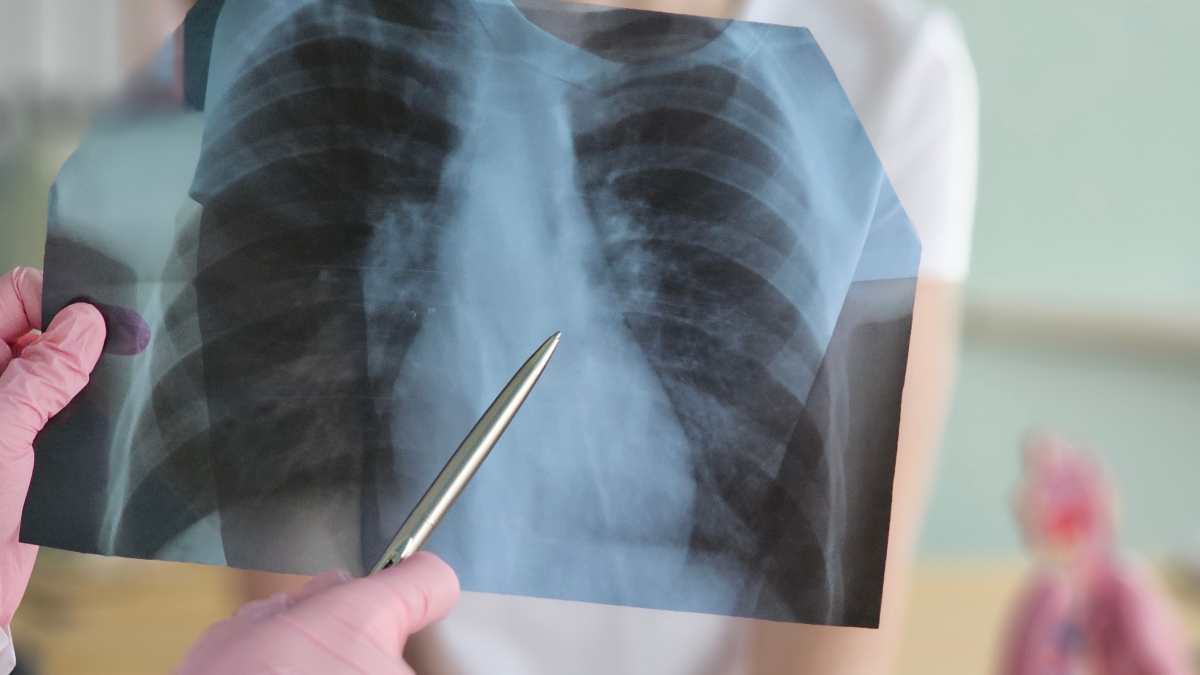
Recovery after lung surgery varies depending on the type of operation and the patient’s overall health.
Recovery after a small lung biopsy or wedge resection is not the same as recovery after a lobectomy or a more extensive lung resection. Whether the operation is performed using VATS, robotic surgery, or an open approach may also influence postoperative pain, mobility, hospital stay, and return to daily activities.
The main goals during the early recovery period are to control pain, allow the lung to expand properly, encourage early movement, support effective breathing and coughing, and reduce the risk of postoperative complications.
Recovery does not end when the patient leaves hospital. Regaining physical endurance, respiratory capacity, and normal daily activity may take several weeks or, after more extensive surgery, several months.
What Happens Immediately After Lung Surgery?
After surgery, the patient is monitored closely while recovering from anesthesia.
The medical team may monitor:
- blood pressure,
- heart rate,
- oxygen levels,
- breathing,
- urine output,
- pain,
- air and fluid drainage from the chest tube.
Some patients may spend a short period in an intensive care or high-dependency unit, while others may return directly to the surgical ward.
This depends on the extent of surgery and the patient’s condition.
Why Is a Chest Tube Used After Lung Surgery?
A chest tube is commonly placed at the end of lung surgery.
Its purpose is to remove:
- air,
- blood,
- postoperative fluid
from the chest cavity.
The tube also helps the operated lung re-expand.
Having a chest tube does not mean that something has gone wrong. It is a routine part of recovery after many thoracic procedures.
When Is the Chest Tube Removed?
There is no fixed day for chest tube removal.
The decision depends on factors such as:
- whether an air leak is still present,
- whether the lung has expanded adequately,
- the amount and type of fluid draining,
- the patient’s overall clinical condition.
In some patients the tube can be removed within a few days.
If an air leak continues, it may need to remain in place longer.
In selected cases, a patient may be discharged with a portable drainage system and have the tube removed later.
What Is an Air Leak After Lung Surgery?
An air leak occurs when air continues to escape from the lung tissue into the chest cavity after surgery.
This can happen after lung resections.
Many postoperative air leaks close naturally over time.
However, a prolonged air leak may:
- delay chest tube removal,
- extend hospital stay,
- require additional monitoring or treatment.
The duration depends on the type of surgery and the condition of the lung tissue.
Is Pain Normal After Lung Surgery?
Yes.
Pain is expected after lung surgery, although its severity varies.
Pain may be influenced by:
- surgical approach,
- size and number of incisions,
- chest tube placement,
- extent of lung resection,
- individual pain sensitivity.
VATS and robotic surgery may involve less chest wall trauma than open surgery, but they are not pain-free procedures.
Pain may be more noticeable when coughing, moving, or taking a deep breath.
Why Is Pain Control Important?
Pain management is not only about comfort.
Severe pain can make it difficult to:
- breathe deeply,
- cough,
- clear mucus,
- get out of bed,
- walk.
This may reduce lung expansion and increase the risk of certain postoperative complications.
Effective pain control is therefore an important part of recovery.
When Can Patients Get Out of Bed?
Early mobilization is generally encouraged once the patient is medically stable.
Recovery may begin with:
- changing position in bed,
- sitting on the edge of the bed,
- moving to a chair,
- standing,
- taking short walks.
The first walks may be supervised by nurses or physiotherapists.
The aim is not to push the patient excessively but to avoid unnecessary immobility.
Why Is Early Walking Important?
Walking is one of the most important parts of recovery after lung surgery.
It may help:
- improve lung expansion,
- encourage deeper breathing,
- clear respiratory secretions,
- support circulation,
- reduce the risk of blood clots,
- stimulate bowel function.
During the first days, short and frequent walks may be more appropriate than long periods of exercise.
Why Are Breathing Exercises Used After Lung Surgery?
Pain and reduced mobility can cause patients to breathe more shallowly after surgery.
Deep breathing exercises help improve lung expansion.
Respiratory rehabilitation may include:
- deep breathing,
- controlled exhalation,
- effective coughing,
- incentive spirometry or similar breathing devices when appropriate.
The purpose is to maintain ventilation and reduce mucus accumulation.
Can Coughing Damage the Surgical Area?
Coughing may be uncomfortable, but controlled coughing is important for clearing mucus from the lungs.
Suppressing coughing completely can allow secretions to accumulate.
Some patients find it more comfortable to support the surgical area with a pillow or folded towel while coughing.
The goal is effective but controlled coughing.
Is Shortness of Breath Normal After Lung Surgery?
Some shortness of breath may occur during the first days or weeks.
Possible reasons include:
- postoperative pain,
- removal of part of the lung,
- temporary loss of fitness,
- reduced activity,
- the process of lung re-expansion and adaptation.
Patients may notice that walking or climbing stairs is more difficult than before surgery.
However, sudden or progressively worsening shortness of breath should not simply be considered part of normal recovery.
Does Lung Capacity Decrease After Part of the Lung Is Removed?
Removing lung tissue can reduce overall respiratory capacity to some degree.
The extent of change depends on:
- how much lung tissue is removed,
- preoperative lung function,
- condition of the remaining lung,
- smoking history,
- COPD or other lung disease,
- physical fitness.
The functional effect after wedge resection is different from that after lobectomy or more extensive surgery.
Over time, the body can adapt to the remaining lung capacity.
What Is Recovery Like After Lobectomy?
A lobectomy involves removal of one lobe of the lung.
During the early recovery period, patients may experience:
- fatigue,
- incision pain,
- breathlessness,
- cough,
- reduced exercise tolerance.
Physical capacity usually improves gradually over the following weeks.
The speed of recovery depends strongly on preoperative lung function and general health.
Is Recovery Faster After a Wedge Resection?
A wedge resection removes a smaller amount of lung tissue than a lobectomy.
In suitable patients, recovery and return of respiratory function may therefore be faster.
However, recovery also depends on:
- whether surgery was minimally invasive or open,
- age,
- general fitness,
- other medical conditions,
- postoperative complications.
The name of the operation alone does not determine recovery time.
What Is Recovery Like After VATS?
VATS stands for Video-Assisted Thoracoscopic Surgery.
Because the chest is accessed through smaller incisions, suitable patients may experience:
- less postoperative pain,
- earlier mobility,
- shorter hospital stay,
- earlier return to daily activities.
However, a VATS lobectomy is still a major lung operation.
Small incisions do not necessarily mean that only a minor procedure was performed internally.
Is Recovery Different After Open Lung Surgery?
Open surgery may involve a larger incision known as a thoracotomy.
Because chest wall trauma may be greater, some patients may experience:
- more pain,
- muscle soreness,
- shoulder stiffness,
- a longer return to normal activity.
However, open surgery may be required when it is the safest or most appropriate way to treat the condition.
How Long Do Patients Stay in Hospital After Lung Surgery?
Hospital stay depends on the procedure and recovery.
Discharge is usually considered when:
- the patient can walk safely,
- pain is controlled with oral medication,
- breathing is stable,
- eating and drinking are adequate,
- there is no major complication,
- the chest tube has been removed or can be managed safely outside hospital.
There is no single hospital stay that applies to every lung operation.
What Are the First Days at Home Like?
Patients should not expect to return immediately to their preoperative energy level.
Fatigue is common.
Daily activity may include:
- short walks,
- personal care,
- light household activity,
- regular rest periods.
Spending the entire day in bed is generally not helpful.
At the same time, trying to return to normal activity too quickly may also be counterproductive.
How Should Walking Be Increased?
Walking is usually one of the safest ways to rebuild physical capacity.
Patients may begin with short distances.
As endurance improves, they can gradually increase:
- duration,
- distance,
- pace.
Becoming too breathless to speak comfortably may indicate that the activity is too intense at that stage.
The aim is gradual and consistent progress rather than immediate return to previous performance.
How Long Does Fatigue Last?
Fatigue is very common after lung surgery.
Contributing factors include:
- general anesthesia,
- surgical stress,
- disrupted sleep,
- reduced physical activity,
- pain,
- changes in appetite.
Some patients improve substantially within a few weeks.
After more extensive surgery, full recovery of energy may take longer.
Recovery is often not linear, and patients may have better and worse days.
When Can Patients Shower?
The timing depends on the wound and dressing.
Once the surgical team confirms that the wound can get wet, showering may be allowed.
However, activities such as:
- soaking in a bath,
- swimming pools,
- the sea,
- hot tubs
may need to be avoided until the wound has healed sufficiently.
Wound-care instructions should follow the individual postoperative plan.
How Should the Surgical Wound Be Monitored?
Mild tenderness and limited swelling may occur during early healing.
Medical assessment may be required if there is:
- increasing redness,
- worsening swelling,
- pus or foul-smelling discharge,
- opening of the wound,
- persistent fever.
The site where the chest tube was removed should also be monitored.
Can Numbness Occur After Lung Surgery?
Yes.
Around the incision, some patients may notice:
- numbness,
- tingling,
- burning,
- increased sensitivity.
The nerves running between the ribs can be stretched or irritated during thoracic surgery.
These symptoms often improve gradually, but in some patients they may persist for a longer period.
Can Shoulder or Back Pain Occur?
Pain and stiffness may occur not only around the incision but also in the shoulder or upper back.
Possible reasons include:
- positioning during surgery,
- changes in chest wall mechanics,
- reduced shoulder movement because of pain.
Appropriate shoulder exercises or physiotherapy may help selected patients.
When Can Heavy Lifting Be Resumed?
During early recovery, activities that place significant strain on the chest wall may be restricted.
These may include:
- heavy lifting,
- forceful pushing,
- pulling,
- intense upper-body movement.
The duration of restrictions depends on the operation and surgical approach.
Even after minimally invasive surgery, deeper tissues require time to heal.
Return to heavy physical activity should be gradual.
When Can Patients Return to Work?
There is no fixed return-to-work date.
Timing depends on:
- type of surgery,
- VATS versus open surgery,
- recovery speed,
- pain,
- physical capacity,
- job requirements.
A patient with a desk-based job may return earlier than someone whose work involves heavy lifting or strenuous physical activity.
A gradual return may be appropriate in some cases.
When Can Patients Drive Again?
Before driving, the patient should be able to:
- control the steering wheel safely,
- make sudden movements if needed,
- perform an emergency stop,
- tolerate the seat belt,
- avoid medications that cause drowsiness or impaired reaction time.
The timing depends on the operation and recovery.
When Can Exercise Be Resumed?
Return to exercise should be gradual.
Walking is usually the main activity during the early period.
As recovery progresses, the patient may gradually resume:
- longer walks,
- light cardiovascular activity,
- low-intensity exercise,
- strength training,
- more demanding sports.
Heavy exercise and contact sports should generally wait until healing is adequate.
Can Patients Climb Stairs?
In suitable patients, stairs are not necessarily prohibited.
During early recovery, it may help to:
- climb slowly,
- stop and rest when needed,
- avoid pushing beyond comfortable limits.
Mild breathlessness may occur.
Severe chest pain, dizziness, or significant breathing difficulty should prompt stopping the activity and seeking assessment if necessary.
What Should Patients Eat After Lung Surgery?
Adequate energy and protein intake support healing.
A balanced diet may include:
- sufficient protein,
- vegetables and fruit,
- adequate fluids,
- enough calories to support recovery.
Loss of appetite can occur after surgery.
Smaller and more frequent meals may be easier to tolerate.
Individual dietary needs vary according to other medical conditions.
Why Does Constipation Occur After Surgery?
Constipation may develop because of:
- reduced mobility,
- some pain medications,
- reduced fluid intake,
- changes in diet.
Walking, adequate fluids, and appropriate nutrition may help.
Medication may be prescribed if needed.
Can Patients Smoke After Lung Surgery?
Smoking should be avoided after lung surgery.
Smoking can negatively affect:
- lung function,
- wound healing,
- infection risk,
- cardiovascular health.
For patients undergoing surgery for lung disease or lung cancer, stopping smoking is also important for long-term health.
When Is the First Follow-Up Appointment?
Follow-up timing depends on the procedure and clinical course.
Appointments may assess:
- wound healing,
- breathing,
- pain,
- physical activity,
- pathology results,
- need for additional treatment.
If surgery was performed for cancer, pathological staging may guide further multidisciplinary treatment planning.
What Happens with the Pathology Result?
Tissue removed during surgery is examined by a pathology laboratory.
The report may include:
- final diagnosis,
- tumor type if present,
- tumor size,
- surgical margins,
- lymph node findings,
- other features relevant to staging.
These findings may influence surveillance or additional treatment.
Which Symptoms Need Medical Attention?
Some symptoms are expected during recovery, but medical assessment may be necessary if there is:
- increasing shortness of breath,
- sudden severe breathing difficulty,
- persistent or high fever,
- worsening chest pain,
- significant coughing up of blood,
- increasing wound redness or discharge,
- new swelling or pain in one leg,
- fainting or severe dizziness,
- marked deterioration in general condition.
Sudden or severe symptoms may require urgent medical assessment.
How Long Does Full Recovery Take?
There is no single answer.
Some patients regain much of their daily activity within several weeks.
After larger lung resections, adaptation of physical capacity and breathing may take several months.
Recovery is influenced by:
- extent of surgery,
- age,
- preoperative fitness,
- lung function,
- other medical conditions,
- whether complications occur,
- regular physical activity during rehabilitation.
Leaving hospital early and being fully recovered are not the same thing.
What Can Support Recovery After Lung Surgery?
Key aspects of recovery include:
- taking pain medication as prescribed,
- getting out of bed and moving early,
- walking regularly,
- continuing breathing exercises,
- coughing effectively and clearing mucus,
- eating adequately,
- avoiding smoking,
- increasing activity gradually,
- attending follow-up appointments.
The aim is not to recover as quickly as possible at any cost, but to return to normal activity safely and progressively.
Frequently Asked Questions
1. How long do patients stay in hospital after lung surgery?
Hospital stay depends on the operation and recovery. Chest tube status, air leakage, pain control, breathing, and mobility all influence discharge timing.
2. When can patients walk after lung surgery?
Early walking is generally encouraged once the patient is medically stable. It may help improve lung expansion, circulation, and overall recovery.
3. How long does the chest tube stay in?
There is no fixed duration. It is removed when the lung is adequately expanded, the air leak has resolved or is acceptable, and fluid drainage is appropriate.
4. Is shortness of breath normal after lung surgery?
Some breathlessness, especially during exertion, may occur during the early recovery period. New, severe, or worsening breathlessness requires assessment.
5. How long does pain last after lung surgery?
Pain is usually more noticeable during the early days and gradually improves. Numbness, sensitivity, or nerve-related discomfort may continue longer in some patients.
6. When can patients return to work?
Return to work depends on the operation and the physical demands of the job. Desk work and heavy manual work generally require different recovery periods.
7. When can exercise be resumed?
Walking is encouraged early. More intensive exercise should be reintroduced gradually as healing and physical capacity improve.
8. Does the lung grow back after surgery?
Removed lung tissue does not grow back. However, the remaining lung and the body can adapt over time to the new respiratory capacity.
9. Is recovery faster after VATS than open surgery?
In suitable patients, smaller incisions and reduced chest wall trauma may allow faster recovery in some areas. The extent of lung resection still has a major effect on overall recovery.
10. How long does full recovery after lung surgery take?
Some patients return to much of their daily routine within several weeks, while recovery after more extensive operations may continue for several months.
Information Note:
This content is intended for general informational purposes only. Recovery after lung surgery varies according to the type of procedure, the amount of lung tissue removed, the surgical approach, preoperative lung function, age, and other medical conditions. Chest tube removal, return to work or exercise, and activity restrictions are not the same for every patient. Sudden or worsening shortness of breath, persistent fever, significant bleeding, or marked deterioration in general condition may require medical assessment. The information provided here does not replace individual medical assessment, diagnosis, or postoperative care.