
What Is the Nuss Procedure? How Is It Performed?
Ekim 19, 2026
What Is ETS Surgery? Who Is It Suitable For?
Ekim 19, 2026
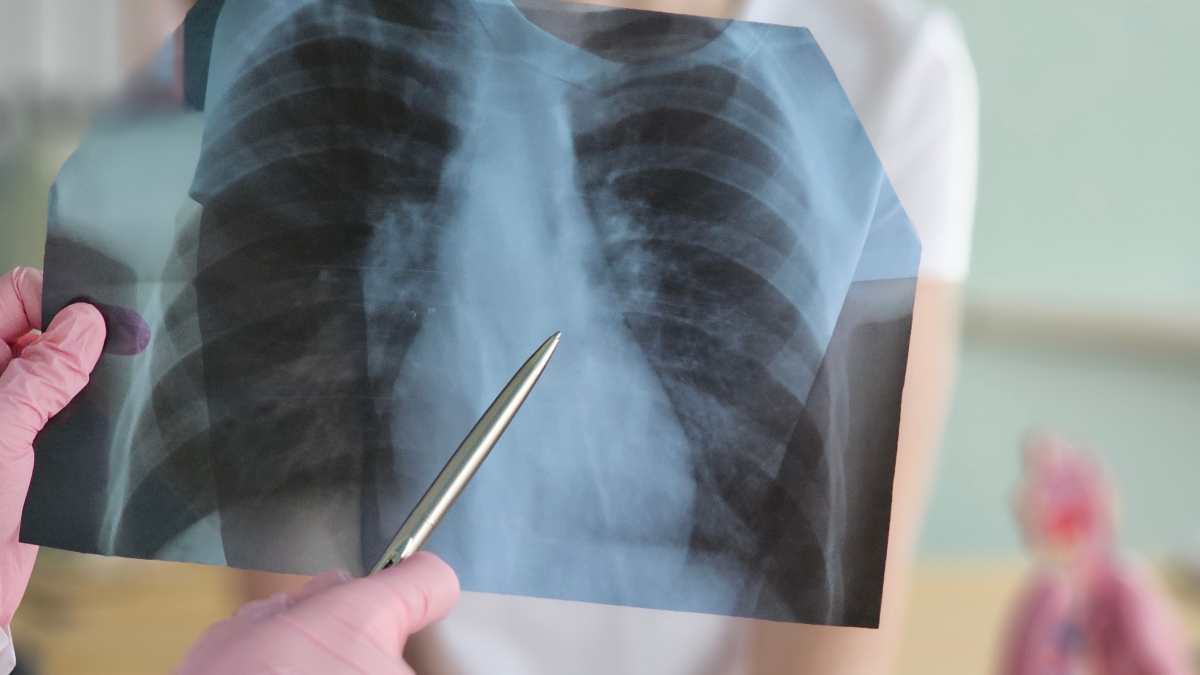
Thoracic surgery and pulmonology both deal with diseases involving the lungs, chest cavity, and respiratory system, but they have different roles in diagnosis and treatment.
Pulmonology primarily focuses on the diagnosis, medical treatment, and follow-up of lung and respiratory diseases. Thoracic surgery is mainly involved when a condition may require surgery or another surgical procedure.
However, the distinction is not always absolute.
Conditions such as lung nodules, lung cancer, pleural disease, pneumothorax, and mediastinal masses may require both pulmonology and thoracic surgical assessment.
For this reason, the answer to “Which specialist should I see?” depends on the symptoms, imaging findings, and stage of the diagnostic process.
What Is Pulmonology?
Pulmonology, also known as respiratory medicine or chest medicine in some countries, is the medical specialty focused on diseases of the lungs and respiratory system.
Pulmonologists commonly evaluate and treat conditions such as:
- asthma,
- chronic obstructive pulmonary disease (COPD),
- pneumonia,
- bronchitis,
- tuberculosis,
- interstitial lung disease,
- certain sleep-related breathing disorders,
- respiratory infections,
- chronic cough,
- shortness of breath.
Pulmonologists may also play an important role in the initial assessment of lung nodules and suspected lung cancer.
What Is Thoracic Surgery?
Thoracic surgery is the surgical specialty dealing with diseases of the chest, lungs, pleura, mediastinum, and chest wall.
Conditions commonly evaluated by thoracic surgeons include:
- lung tumors,
- lung nodules,
- pneumothorax,
- pleural diseases,
- mediastinal masses,
- chest wall tumors,
- pectus excavatum,
- pectus carinatum,
- chest trauma,
- lung cysts,
- selected cases of excessive sweating.
Thoracic surgical assessment also includes deciding whether surgery is necessary.
Being referred to a thoracic surgeon does not automatically mean that an operation will be required.
What Is the Main Difference Between Pulmonology and Thoracic Surgery?
The simplest difference is the type of treatment each specialty mainly provides.
Pulmonology generally focuses on:
- diagnosis,
- medication,
- respiratory treatments,
- monitoring of lung disease,
- non-surgical management.
Thoracic surgery becomes involved when treatment may require:
- biopsy,
- surgical resection,
- minimally invasive chest surgery,
- open surgery,
- chest tube placement,
- other surgical procedures.
In many conditions, these specialties work as complementary parts of the same treatment pathway.
Which Specialist Should I See for Shortness of Breath?
Shortness of breath has many possible causes.
Conditions such as asthma, COPD, respiratory infections, and other lung diseases are often initially evaluated by a pulmonologist.
However, if shortness of breath is caused by a condition such as:
- pneumothorax,
- large pleural effusion,
- lung mass,
- chest wall abnormality,
- another problem requiring surgical treatment,
thoracic surgical evaluation may become necessary.
The symptom alone does not always determine which specialty is appropriate.
Which Specialist Evaluates a Lung Nodule?
Both pulmonologists and thoracic surgeons may be involved in the evaluation of a lung nodule.
Initial assessment may consider:
- size,
- density,
- imaging characteristics,
- growth over time,
- risk of malignancy,
- need for biopsy.
Low-risk nodules may be followed by pulmonology.
If biopsy, surgical diagnosis, or removal is being considered, a thoracic surgeon may become involved.
Which Specialists Treat Lung Cancer?
Lung cancer is not managed by one specialty alone.
The treatment team may include:
- pulmonology,
- thoracic surgery,
- medical oncology,
- radiation oncology,
- radiology,
- nuclear medicine,
- pathology.
Thoracic surgery has a particularly important role in selected patients with operable early-stage lung cancer.
In more advanced disease, systemic treatments or radiation therapy may become more prominent.
Which Specialist Treats Pneumothorax?
Pneumothorax occurs when air collects between the lung and the chest wall, causing the lung to partially or completely collapse.
Initial assessment may take place in:
- the emergency department,
- pulmonology,
- thoracic surgery.
Some small pneumothoraces may be monitored.
Thoracic surgery may become more relevant when there is:
- a need for chest tube drainage,
- persistent air leakage,
- recurrent pneumothorax,
- pulmonary bullae requiring surgery.
Who Treats Pleural Effusion?
Pleural effusion is the accumulation of fluid between the layers surrounding the lungs.
Possible causes include:
- infection,
- heart disease,
- malignancy,
- rheumatological disease,
- other systemic conditions.
Pulmonology often plays an important role in identifying the underlying cause.
Thoracic surgery may become involved if the patient needs:
- drainage,
- pleural biopsy,
- thoracoscopic evaluation,
- another surgical procedure.
Which Doctor Should I See for Chest Pain?
Chest pain can originate from many different systems.
Possible causes include the heart, lungs, chest wall, esophagus, and musculoskeletal system.
Sudden severe chest pain, especially when accompanied by shortness of breath, requires urgent medical assessment.
Thoracic surgical causes may include:
- pneumothorax,
- chest trauma,
- rib fractures,
- pleural disease,
- certain lung or chest wall masses.
Chest pain should not automatically be assumed to be a thoracic surgical problem.
Which Specialist Evaluates Chronic Cough?
Chronic cough is usually evaluated initially by pulmonology.
Possible causes include:
- asthma,
- COPD,
- infections,
- reflux,
- allergic conditions,
- medication-related cough,
- other lung diseases.
If imaging or further assessment reveals a lesion requiring surgical evaluation, thoracic surgery may become involved.
Which Specialist Performs a Lung Biopsy?
The method of lung biopsy depends on the location and characteristics of the lesion.
Different biopsy techniques may be performed by different specialists.
Examples include:
- bronchoscopic biopsy by pulmonology,
- image-guided needle biopsy by interventional radiology,
- surgical biopsy by thoracic surgery.
There is therefore no single specialty responsible for every type of lung biopsy.
Who Performs Bronchoscopy?
Bronchoscopy is a procedure used to examine the airways with a camera.
Diagnostic bronchoscopy is commonly performed by pulmonologists.
Interventional pulmonology may also perform more advanced bronchoscopic procedures.
If surgical removal of lung tissue is required, thoracic surgery becomes involved.
Who Places a Chest Tube?
Chest tubes may be used for conditions such as:
- pneumothorax,
- hemothorax,
- selected pleural effusions,
- postoperative drainage.
Depending on the clinical situation, chest tube insertion may be performed by thoracic surgery, emergency physicians, or other appropriately trained teams.
When the condition requires ongoing surgical management, thoracic surgery may oversee the process.
Who Performs Lung Surgery?
Surgical removal of part of the lung is performed by thoracic surgeons.
Operations may include:
- wedge resection,
- segmentectomy,
- lobectomy,
- pneumonectomy.
Depending on the patient and condition, these operations may be performed through VATS, robotic surgery, or an open surgical approach.
Which Specialist Treats Pectus Excavatum and Pectus Carinatum?
Pectus excavatum and pectus carinatum are chest wall deformities.
Their surgical assessment generally falls within thoracic surgery.
In pectus carinatum, brace treatment may be considered in suitable patients.
In pectus excavatum, treatment options may include non-surgical approaches such as vacuum bell therapy or surgical procedures such as the Nuss or Ravitch operation, depending on the individual case.
Which Specialist Treats Mediastinal Masses?
The mediastinum is the central compartment between the lungs.
Masses in this area may arise from:
- the thymus,
- cystic structures,
- lymphatic tissue,
- nerves,
- other tissues.
When surgical removal is required, thoracic surgery is usually involved.
Pulmonology, radiology, oncology, pathology, or other specialties may also participate in diagnosis and treatment planning.
Does Everyone Referred to a Thoracic Surgeon Need Surgery?
No.
One of the main responsibilities of a thoracic surgeon is to determine whether surgery is actually necessary.
After assessment, the plan may involve:
- observation,
- additional imaging,
- referral to another specialty,
- biopsy,
- surgery.
A thoracic surgical consultation does not automatically lead to an operation.
Why Would a Pulmonologist Refer a Patient to a Thoracic Surgeon?
A pulmonologist may refer a patient when a condition appears to require surgical assessment.
Examples include:
- a suspicious lung nodule,
- potentially operable lung cancer,
- recurrent pneumothorax,
- pleural disease requiring surgical biopsy,
- a mediastinal mass.
This does not mean that one specialty is replacing the other.
It reflects the fact that the two fields often work together.
Why Would a Thoracic Surgeon Refer a Patient to a Pulmonologist?
Before surgery, a patient may need additional respiratory assessment or medical treatment.
Examples include:
- lung function evaluation,
- optimization of COPD,
- treatment of respiratory infection,
- bronchoscopy,
- pulmonary function testing.
Pulmonology may therefore be an important part of preoperative preparation.
Do Pulmonologists and Thoracic Surgeons Work Together?
Yes.
Collaboration is common, particularly in complex lung and chest diseases.
Lung cancer and lung nodules are clear examples.
A patient may first undergo imaging and respiratory assessment, followed by biopsy or surgery if necessary.
The aim is not simply to transfer the patient from one department to another, but to combine the expertise required for the individual condition.
When Should You See a Pulmonologist First?
Pulmonology may be an appropriate starting point for symptoms or conditions such as:
- persistent cough,
- chronic sputum production,
- wheezing,
- suspected asthma,
- COPD,
- recurrent respiratory infections,
- unexplained shortness of breath.
Urgent symptoms, however, may require emergency assessment rather than routine outpatient consultation.
When Is Thoracic Surgical Evaluation More Likely to Be Needed?
Thoracic surgical assessment may be particularly relevant for:
- a suspicious lung nodule,
- operable lung cancer,
- recurrent pneumothorax,
- mediastinal mass,
- pleural disease requiring surgical biopsy,
- chest wall deformities,
- chest wall tumors,
- chest trauma that may require surgery.
When Should You Go to the Emergency Department Instead?
Symptoms such as:
- sudden severe shortness of breath,
- severe chest pain,
- coughing up significant amounts of blood,
- breathing difficulty after chest trauma,
- fainting,
- blue or grey discoloration of the lips or skin
may require urgent medical assessment.
In these situations, trying to choose the correct outpatient specialty should not delay emergency care.
Is Pulmonology or Thoracic Surgery More Comprehensive?
Neither specialty is “more advanced” or “more comprehensive” than the other.
They focus on different aspects of diseases involving the chest and respiratory system.
Pulmonology specializes primarily in medical diagnosis and non-surgical treatment.
Thoracic surgery specializes in surgical assessment and procedures.
For many patients, the most appropriate care involves both.
Frequently Asked Questions
1. Are thoracic surgery and pulmonology the same specialty?
No. Pulmonology primarily focuses on the medical diagnosis and treatment of respiratory disease, while thoracic surgery deals with conditions that may require surgical treatment.
2. Should I see a pulmonologist or thoracic surgeon for shortness of breath?
Many cases of shortness of breath are initially evaluated by pulmonology. If a surgical condition such as pneumothorax or another structural problem is identified, thoracic surgery may become involved.
3. Which specialist should I see for a lung nodule?
Both specialties may be involved. Pulmonology may manage the initial evaluation and surveillance, while thoracic surgery may assess the need for biopsy or surgical removal.
4. Does a thoracic surgeon treat lung cancer?
Thoracic surgeons are involved particularly when lung cancer can potentially be treated surgically. Lung cancer care is usually multidisciplinary.
5. Does seeing a thoracic surgeon mean I need surgery?
No. A thoracic surgeon may recommend observation, additional testing, biopsy, medical evaluation, or surgery depending on the findings.
6. Which specialist should I see for a chronic cough?
Chronic cough is generally evaluated first by pulmonology. Thoracic surgery may become involved if a surgically treatable cause is identified.
7. Who treats pneumothorax?
Emergency medicine, pulmonology, and thoracic surgery may all be involved depending on severity. Recurrent or surgically treated pneumothorax often requires thoracic surgical assessment.
8. Who inserts a chest tube?
Chest tubes may be inserted by thoracic surgeons, emergency physicians, or other appropriately trained clinicians depending on the clinical setting.
9. Which specialist treats pectus excavatum?
Pectus excavatum is a chest wall deformity and surgical assessment is generally performed by thoracic surgery.
10. Do pulmonologists and thoracic surgeons work together?
Yes. They frequently work together in conditions such as lung cancer, lung nodules, pleural disease, and other complex thoracic conditions.
Information Note:
This content is intended for general informational purposes only. Thoracic surgery and pulmonology are different medical specialties, but they frequently work together in the evaluation and treatment of lung and chest diseases. The most appropriate specialty depends on the symptoms, imaging findings, diagnosis, and stage of evaluation. Sudden severe shortness of breath, significant chest pain, or other urgent symptoms may require emergency medical assessment rather than routine outpatient consultation. The information provided here does not replace individual medical assessment, diagnosis, or treatment planning.