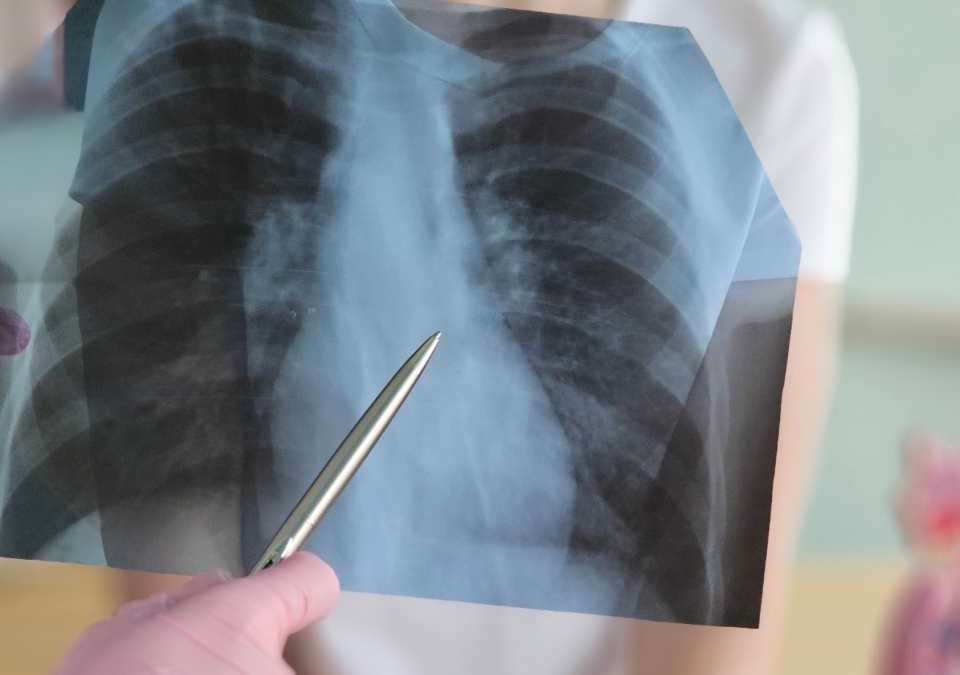
Poland Syndrome
What Is Poland Syndrome? Information on Chest Muscle, Breast, Rib, and Hand Findings; Diagnosis, Fat Grafting, Implant, and Reconstruction Options.
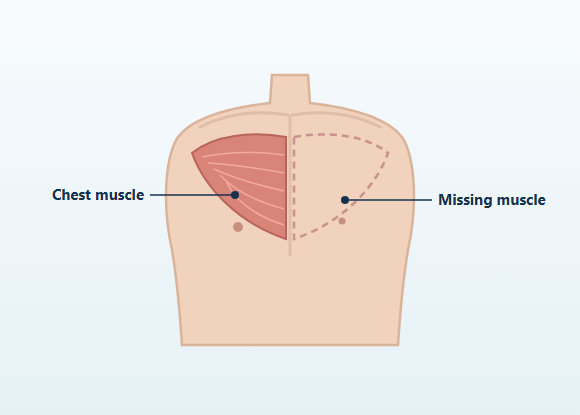
- Underdevelopment of the pectoralis minor muscle
- Rib or costal cartilage anomalies
- A depression in the chest wall
- Underdeveloped breast tissue
- A small, absent, or displaced nipple or areola
- A flattened anterior axillary fold
- Developmental differences in other chest or shoulder muscles
- Arm or forearm asymmetry
- Hand and finger anomalies
- Which muscles are affected
- The structure of the ribs and chest wall
- The structural stability of the rib cage
- Breast and nipple development
- Hand and upper limb function
- Age and whether growth is still ongoing
- Physical complaints
- Psychosocial impact
- The person's expectations
What Is Poland Syndrome?
- Bringing the arm toward the body
- Moving the arm forward
- Internal rotation of the shoulder
- Pushing movements
- Forming the anterior axillary fold
- Shaping the outer contour of the chest
- Pectoralis minor
- Serratus anterior
- Latissimus dorsi
- Intercostal muscles
- Other shoulder girdle muscles
What Causes Poland Syndrome?
- Chest muscles
- Ribs and costal cartilages
- Breast tissue
- Shoulder and upper limb structures
- Hand and fingers
- Something the mother did during pregnancy
- The child's sleeping position
- Playing or not playing sports
- Poor nutrition
- Wearing tight clothing
- Carrying something heavy
- A mistake made by the child or the family
Is Poland Syndrome Hereditary?
- Several family members have similar findings
- Involvement of both sides is suspected
- Multiple congenital anomalies are present together
- Growth or developmental problems are also present
- Another genetic syndrome is suspected
How Common Is Poland Syndrome?
- The chest muscles develop differently during adolescence
- Breast asymmetry becomes more noticeable
- A difference between the right and left chest is noticed during sports
- Missing muscle is seen on imaging performed for another reason
- An adult is evaluated for chest asymmetry
Which Side Does Poland Syndrome Affect?
- Pectoralis muscles
- Breast tissue
- Nipple and areola
- Ribs and cartilage structures
- Shoulder muscles
- Arm and forearm
- Hand and fingers
What Are the Symptoms of Poland Syndrome?
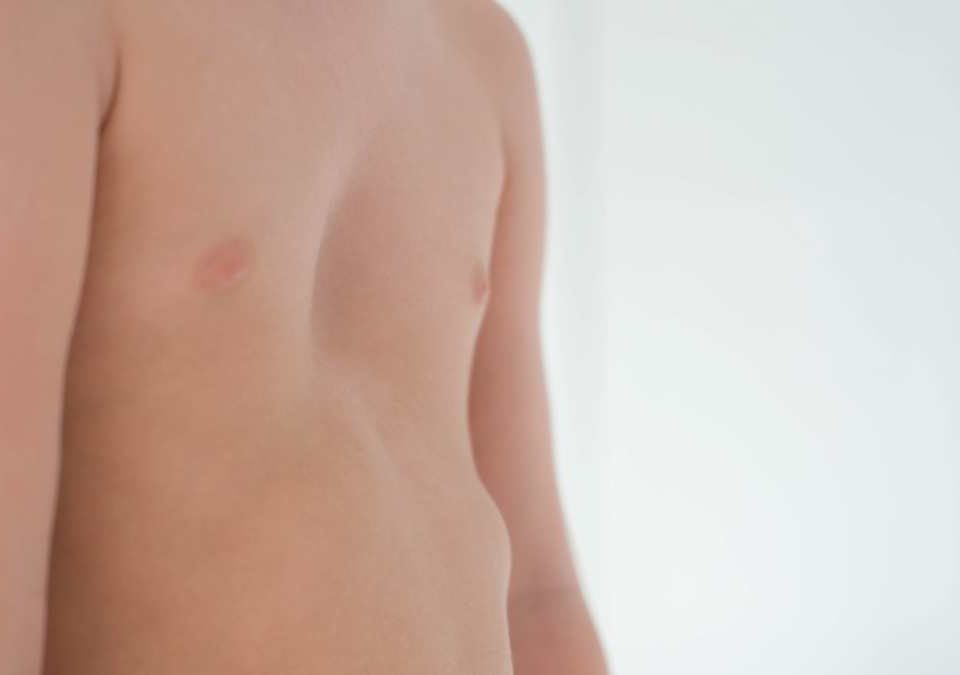
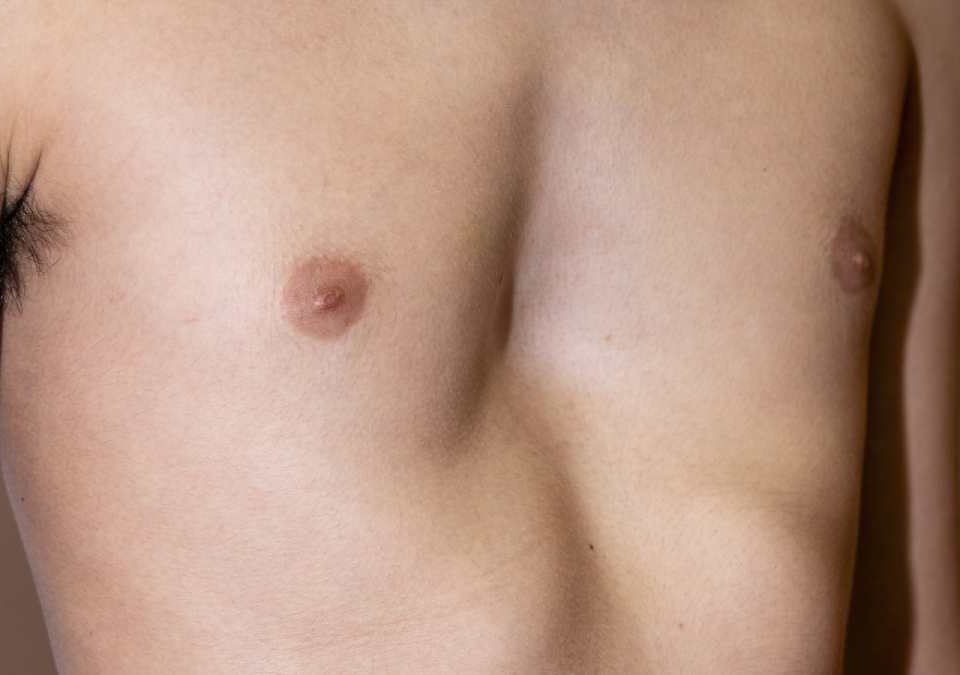
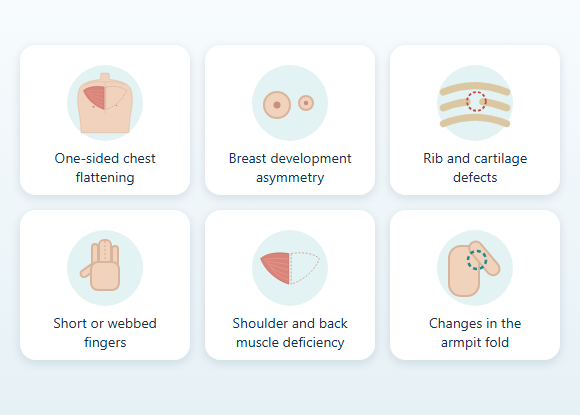
The appearance of Poland syndrome can range from mild chest asymmetry to more extensive differences in the chest wall and upper limb. Possible findings include: Reduced muscle volume on one side of the chest A marked difference in volume between the right and left chest A flattened anterior axillary fold Underdeveloped breast tissue A small or displaced nipple Areolar differences A depression in the chest wall Rib or costal cartilage anomalies Shoulder asymmetry A thinner arm or forearm A smaller hand Short fingers Webbing (fusion) between fingers Asymmetric chest movement Reduced strength in certain shoulder movements Psychosocial effects related to body image The degree of physical and functional impact depends on which structures are affected.
Is the Pectoralis Major Muscle Completely Absent?
- The entire pectoralis major muscle
- Pectoralis minor
- Serratus anterior
- Latissimus dorsi
- Intercostal muscles
What Does Chest Asymmetry Look Like?
- Reduced muscle volume on one side of the chest
- A depression around the nipple
- A flattened anterior axillary fold
- More visible rib contours
- Asymmetry that becomes more noticeable when the muscle contracts
- A right-left difference that increases after intensive muscle building
- One breast being less developed
- A smaller or narrower breast base
- A nipple in a different position
- An inframammary fold at a different level
- A depressed chest wall beneath the breast
- Thinner soft tissue
- Asymmetry in breast volume and position
Can the Breast and Nipple Be Affected?
- Breast hypoplasia
- Marked lack of breast tissue
- A narrow breast base
- An inframammary fold at a different level
- A small nipple
- A displaced nipple
- A small areola
- Rarely, absence of the nipple-areola complex
- Thin or tight skin and soft tissue coverage
Why Can the Anterior Axillary Fold Be Flattened?
- When the arms are raised
- During exercise
- When the pectoralis muscle contracts
- When wearing tight clothing
- In people with low body fat
- A custom implant
- Fat grafting
- Muscle or fascial tissue
- Local tissue rearrangement
- A combination of several techniques
Can the Ribs and Chest Wall Be Affected?
- Underdeveloped costal cartilages
- Partial absence of the front portion of one or more ribs
- A depression in the chest wall
- Rotation of the sternum
- Rib cage asymmetry
- Reduced structural support in a particular area
- Abnormal chest movement during breathing
Can the Hand and Fingers Be Affected?
- Short fingers
- A smaller hand
- Webbing (fusion) between fingers
- Short or underdeveloped finger bones
- Greater involvement of certain fingers
- Differences in forearm or arm development
- Reduced grip strength
- Difficulty with fine motor movements
Is Shoulder and Arm Function Affected?
- Reduced strength in pushing movements
- Weakness in bringing the arm toward the body
- Early fatigue around the shoulder
- Difficulty with activities such as swimming or climbing
- A right-left difference during weight training
- Changes in shoulder blade movement
- Shoulder discomfort
Does Poland Syndrome Affect the Heart or Lungs?
- Reduced chest wall support during breathing
- Differences in chest movement
- Changes in breathing mechanics
- Less protection of the underlying lung tissue
Can Poland Syndrome Have Psychological Effects?
- Avoid changing clothes in front of others
- Not want to take part in pool or beach activities
- Feel uncomfortable at the gym
- Avoid tight clothing
- Stand hunched forward to hide their chest
- Feel anxious in social or romantic relationships
- Avoid certain angles in photographs
How Is Poland Syndrome Diagnosed?
- Chest muscle volume
- The appearance of the muscles during contraction
- The anterior axillary fold
- Breast development
- Nipple and areola
- Chest wall contour
- Rib structure
- Shoulder and shoulder blade movement
- Arm and forearm size
- Hand and finger structure
- Scoliosis
- Chest movement during breathing
- Previous surgeries
Can Ultrasound Be Used?
- Which parts of the pectoralis major muscle are present
- Muscle thickness
- Pectoralis minor
- The muscle difference between the two sides
- Superficial soft tissues
When Can Computed Tomography Be Used?
- Suspected missing ribs
- A marked structural chest wall defect
- Rotation of the sternum
- Suspected outward bulging of lung tissue through a weak area
- Complex chest anatomy
- Planning of chest wall reconstruction
- Planning of a custom implant
- Previous chest wall surgery
Can Magnetic Resonance Imaging Be Used?
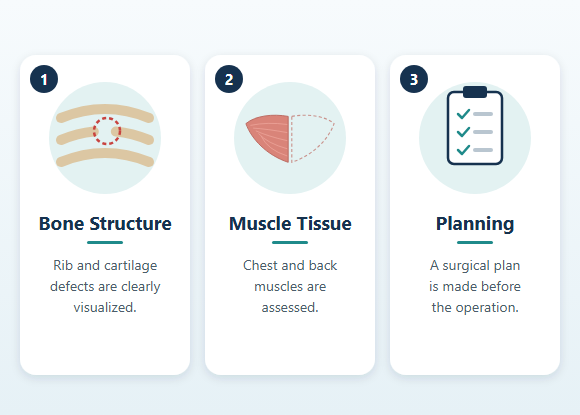
MRI can evaluate muscle and other soft tissues without using ionizing radiation. MRI can examine:- The pectoralis muscles
- Latissimus dorsi
- Other shoulder girdle muscles
- Breast tissue
- Subcutaneous fat
- Previous implants
- Selected vascular and nerve structures
What Is Three-Dimensional Imaging Used For?
Three-dimensional imaging and computer-assisted planning can help model chest asymmetry. During planning, the following may be used:- Computed tomography data
- Three-dimensional surface scans
- A mirror image of the unaffected side
- Rib and chest wall contours
- Volume differences
- Measuring an irregular chest wall defect
- Designing a custom implant
- Planning selected structural reconstructions
- Modeling the difference between the affected and unaffected sides
Is Genetic Testing Needed?
There is no single, standard genetic test that confirms Poland syndrome. Typical one-sided hypoplasia or absence of the sternocostal portion of the pectoralis major is usually recognized clinically. Genetic evaluation may be considered when:- Other family members are affected
- Findings on both sides are suspected
- Multiple congenital anomalies are present together
- Developmental problems are also present
- Another genetic syndrome is being considered
How Is the Severity of Poland Syndrome Determined?
There is no standard method that classifies Poland syndrome in all patients with a single number or index. Each structure is evaluated separately. These include:- Pectoralis major
- Other chest and shoulder muscles
- Ribs and sternum
- Chest wall stability
- Breast tissue
- Nipple and areola
- Skin and fat tissue
- Hand and fingers
- Shoulder and arm function
- Heart and lung findings, when necessary
- Psychosocial impact
Does Every Case of Poland Syndrome Need Treatment?
No. Mild chest asymmetries that do not significantly affect a person's function or psychosocial life can be monitored. When treatment is considered, the following are taken into account:- Physical function
- Structural safety of the chest wall
- Breathing mechanics
- Hand function
- Pain
- Body image
- Age and growth
- The person's informed wish for treatment
How Is Treatment Planned in Poland Syndrome?
There is no single standard operation that can be applied to everyone with Poland syndrome. Treatment is determined by which tissues are missing or underdeveloped. The following questions are important in the evaluation:- Is the deficiency limited to muscle volume only?
- Is there a rib or cartilage defect?
- Is the chest wall stable?
- Is breast development complete?
- How have the nipple and areola developed?
- Is there enough skin and fat tissue?
- Can the latissimus dorsi be used?
- Is hand or shoulder function affected?
- Is growth still ongoing?
- Is the expected result realistic?
- Monitoring
- Physical therapy
- Hand surgery
- Fat grafting
- Standard implants
- Custom chest implants
- Breast reconstruction
- Tissue expander
- Latissimus dorsi muscle transfer
- Free tissue transfer
- Nipple and areola reconstruction
- Structural chest wall reconstruction in selected patients
What Is the Best Age for Treatment?
There is no single ideal age for every patient with Poland syndrome. Procedures to improve hand function may be performed in childhood. When permanent chest or breast reconstruction is planned, however, remaining growth is taken into account. Placing a permanent implant during childhood may lead to a new volume mismatch as the body continues to grow. Earlier structural intervention may be considered in selected situations such as:- Marked chest wall instability
- Inadequate protection of lung tissue
- Impaired breathing mechanics
Can Exercise and Physical Therapy Correct Poland Syndrome?
Exercise cannot rebuild a pectoralis major muscle that is congenitally missing. However, physical therapy and exercise can:- Maintain shoulder range of motion
- Improve shoulder blade control
- Strengthen the existing back and shoulder muscles
- Improve posture
- Reduce muscle imbalance
- Support athletic movements
- Improve overall fitness
Hand Surgery and Rehabilitation
If syndactyly, short fingers, or other structural hand differences affect function, hand surgery may be considered. The aim of treatment is to support:- Separation of the fingers
- Grip function
- Independent finger movement
- Preservation of function during growth
- Everyday use of the hand
What Is Fat Grafting?
In fat grafting, fat tissue taken from the person's own body is transferred to areas of volume deficiency in the chest or breast. Fat may be taken from areas such as:- Abdomen
- Waist
- Hips
- Thighs
- Reducing mild chest asymmetry
- Increasing breast volume
- Softening implant edges
- Supporting the anterior axillary fold
- Increasing soft tissue thickness
- Contour refinement of previous reconstructions
Risks and Limitations of Fat Grafting
Fat grafting may not fully correct a large muscle or skeletal deficiency in a single session. The result depends on:- The amount of available donor fat
- Soft tissue quality
- Blood supply to the area
- The amount of fat transferred
- How much of the fat is retained permanently
- Partial fat loss
- Asymmetry
- Fat necrosis
- Firmness
- Oil cysts
- Infection
- Contour irregularity
- Irregularity at the fat harvest site
- Need for additional procedures
Can Standard Chest or Breast Implants Be Used?
They can be used in selected patients. In women, a breast implant can increase the volume of an underdeveloped breast. In men, a standard pectoral implant can partially mimic the volume created by the chest muscle. However, Poland syndrome often creates an irregular tissue deficiency that does not fully match standard implant shapes. The deficiency may be located:- Next to the sternum
- Over the rib surface
- At the anterior axillary fold
- At the breast base
- In more than one anatomical plane
What Is a Custom 3D-Designed Implant?
A custom chest implant is an implant designed on a computer according to the patient's chest wall anatomy. Computed tomography or three-dimensional surface images may be used for the design. The shape of the missing volume can be estimated by mirroring the contour of the unaffected side onto the opposite side on the computer. The implant can be designed to support:- The missing pectoralis major contour
- The depression next to the sternum
- Differences in rib contour
- The anterior axillary fold
- Irregular areas that standard implants do not address
Is a “3D Implant” Produced Directly by a 3D Printer?
Not always. Three-dimensional technology is often used to design the shape of the implant on a computer. The process may include the following stages:- Three-dimensional imaging
- Computer-assisted modeling
- Calculation of the missing volume
- Virtual implant design
- Manufacturing the medical implant using an appropriate production method
Does a Custom Implant Restore Muscle Function?
No. A custom implant aims to mimic the volume and outer contour that the missing muscle would create. It is not living muscle tissue. Therefore, it:- Does not contract
- Does not move the arm
- Does not generate muscle strength
- Does not grow with exercise
- Does not restore the physiology of the missing pectoralis major
What Are the Risks of a Custom Implant?
Possible complications include:- Bleeding
- Hematoma
- Seroma
- Infection
- Wound healing problems
- Implant displacement
- Visible implant edges
- Contour irregularity
- Capsular contracture
- Firmness
- Pain or discomfort
- Skin thinning
- Persistent asymmetry
- Repositioning of the implant
- Removal or replacement of the implant
- Late fluid collection
What Is Structural Chest Wall Reconstruction?
A small group of patients with Poland syndrome may have significant rib deficiencies or a structurally weak chest wall. In this situation, soft tissue implants used only to correct the outer appearance or muscle volume are not sufficient. In structural chest wall reconstruction, the following may be used in selected cases:- Rigid support systems
- Titanium or similar plates
- Surgical mesh
- Bone or rib grafts
- Patient-specific structural implants
When Might Chest Wall Reconstruction Be Needed?
Structural reconstruction may be considered in cases of:- Significant rib deficiency
- Outward bulging of lung tissue through a weak chest wall
- Abnormal chest wall movement
- Inadequate protection of the internal organs
- Marked rib cage instability
- Severe structural asymmetry of the thorax
- Significantly impaired breathing mechanics
What Is a Latissimus Dorsi Muscle Flap?
The latissimus dorsi is one of the large muscles of the back. In selected patients, it can be moved to the front of the chest while preserving its blood supply. This method may be used to:- Bring living tissue to the pectoral region
- Support the anterior axillary fold
- Increase soft tissue coverage
- Provide coverage over a breast or chest implant
- Contribute to breast reconstruction
What Are the Limitations of the Latissimus Dorsi Flap?
This method creates a second surgical site on the back. Possible effects include:- A scar on the back
- Seroma
- Bleeding
- Infection
- Temporary limitation of shoulder movement
- Strength differences in certain activities
- Changes in back contour
- Reduction in transferred muscle volume over time
- Chest asymmetry not being fully eliminated
What Is Free Tissue Transfer?
In free tissue transfer, living tissue taken from another part of the body is transferred to the chest using microsurgery. The tissue may be taken from:- The abdomen
- The thigh
- Other suitable donor sites
- When there is a large soft tissue deficiency
- When breast development is markedly insufficient
- When there has been a previous implant complication
- In selected cases where a permanent implant is not desired
- When sufficient donor tissue is available
Breast Reconstruction in Women
In Poland syndrome, breast reconstruction may involve more than a standard breast augmentation. The asymmetry may result from several structures, such as:- Pectoralis muscle deficiency
- Insufficient breast tissue
- A small breast base
- Chest wall depression
- Thin soft tissue coverage
- Differences in the inframammary fold
- Nipple and areola anomalies
- Absence of the anterior axillary fold
- Fat grafting
- Tissue expander
- Breast implant
- Custom chest implant
- Latissimus dorsi flap
- Free tissue transfer
- Nipple and areola reconstruction
- Surgery on the opposite breast in selected cases
What Is a Tissue Expander?
A tissue expander is a temporary inflatable implant used to gradually stretch the skin and soft tissue over time. It may be used particularly when:- Soft tissue coverage is limited
- The breast base is narrow
- There is not enough space for a permanent implant
- Breast development is markedly insufficient
Does the Opposite Breast Also Need a Procedure?
Not always. In some patients, procedures such as the following may be performed on the unaffected breast to improve overall symmetry:- Reduction
- Lift
- Augmentation
- Adjustment of the inframammary fold
Nipple and Areola Reconstruction
The nipple and areola may be small, displaced, or, less commonly, completely absent. Reconstruction may use:- Local skin techniques
- Medical pigmentation (tattooing)
- Selected tissue transfers
- Skin grafts
- A combination of several methods
Chest Reconstruction in Men
In men, the main goal is usually to make the chest contour formed by the pectoralis major muscle and the anterior axillary fold more balanced. Options may include:- Custom pectoral implant
- Standard pectoral implant
- Fat grafting
- Latissimus dorsi transfer
- Implant combined with fat grafting
- Structural chest wall reconstruction in selected advanced cases
Can Reconstruction Be Completed in a Single Operation?
In some limited deformities, a single procedure may be sufficient. In more complex cases of Poland syndrome, however, reconstruction may be planned in stages from the outset. The stages may include:- Structural chest wall reconstruction
- Tissue expansion
- Muscle or free tissue transfer
- Permanent implant
- Fat grafting
- Nipple and areola reconstruction
- Symmetry procedures on the opposite side, when needed
Evaluation Before Reconstruction
Before surgery, the following may be evaluated:- The extent of muscle deficiency
- Rib and sternum anatomy
- Chest wall stability
- Breast and nipple development
- Skin and fat tissue thickness
- The condition of the latissimus dorsi muscle
- Shoulder and arm function
- Hand anomalies
- Remaining growth
- Previous surgeries and scars
- General health
- Smoking
- Current medications
- Implant or metal sensitivity
- The person's expectations
What Are the General Risks of Reconstruction?
Risks vary depending on the method used. Possible complications include:- Bleeding
- Hematoma
- Seroma
- Infection
- Wound healing problems
- Noticeable scarring
- Changes in sensation
- Persistent pain
- Incomplete correction of asymmetry
- Contour irregularity
- Implant displacement
- Capsular contracture
- Partial loss of fat tissue
- Flap circulation problems
- Pneumothorax
- Chest wall or lung injury
- Need for additional surgery
- Anesthesia complications
Implant Infection
Infection may develop around an implant in the early or late period. Possible signs include:- Fever
- Redness
- Swelling
- Discharge
- Increasing pain
- Change in chest contour
- Fluid around the implant
What Is a Seroma?
A seroma is a collection of fluid in the surgical area after an operation. It may occur particularly after operations in which a large surgical pocket is created, an implant is used, or a muscle flap is performed. Some seromas resolve on their own, while others may require drainage or additional treatment. A new fluid collection appearing around an implant in the late period should be evaluated separately.What Is Capsular Contracture?
The body naturally forms a thin layer of connective tissue around an implant. If this tissue becomes markedly thickened and tight, capsular contracture may develop. This can result in:- Firmness
- Pain
- Change in chest shape
- Change in implant position
- Increased asymmetry
Does the Implant Need to Be Replaced?
No implant can be guaranteed never to require any intervention over a lifetime. The 3D TELOMER SILICONE IMPLANTS we use are lifelong and do not need to be replaced. For standard breast silicone implants, please note the details below.An implant may later be removed or replaced because of:
- Infection
- Displacement
- Capsular contracture
- Pain
- Contour change
- Damage
- Late fluid collection
- Changes in body shape
- A change in reconstruction preference
Recovery After Surgery
Recovery time varies considerably depending on the procedure performed. Recovery after limited fat grafting is not the same as after muscle transfer, microsurgery, or structural chest wall reconstruction. In the early period, the following are important:- Pain control
- Drain monitoring
- Wound care
- Maintaining shoulder movement
- Breathing exercises
- Early walking
- Assessment of the implant or transferred tissue
Activity After Surgery
The following may be temporarily restricted:- Heavy lifting
- Forceful pushing or pulling
- Strenuous overhead movements
- Lying face down
- Direct pressure on the chest
- Contact sports
- Activities with a risk of impact to the chest
- Heavy upper body exercises
Returning to Sports
Return to sports is gradual. It may begin with walking and light daily activities in the initial period. Later, the following may be added:- Light cardio
- Shoulder mobility work
- Controlled strengthening
- Posture exercises
- Shoulder blade stabilization
Does Poland Syndrome Prevent Pregnancy?
Poland syndrome alone does not prevent pregnancy. During pregnancy, the following may change:- Breast volume
- Skin tension
- Body weight
- Chest and breast symmetry
Is Breastfeeding Possible With Poland Syndrome?
The ability to breastfeed depends on individual breast anatomy. Important factors include:- Glandular breast tissue on the affected side
- Development of the milk ducts
- Nipple anatomy
- Previous surgeries
Is Complete Symmetry Achieved After Reconstruction?
Reconstruction can significantly reduce the difference in the chest, breast, or anterior axillary fold. However, perfect and lifelong unchanging symmetry cannot be guaranteed. Over time, the following may affect how the asymmetry looks:- Rib and sternum anatomy
- The missing muscle
- Skin thickness
- Breast development
- Weight changes
- Pregnancy
- Aging
- Muscle development on the unaffected side
- The fixed volume of the implant
- Partial loss of fat tissue
- Volume changes in transferred tissue
Is Treatment of Poland Syndrome a Definitive Solution?
Poland syndrome is a congenital developmental difference. Reconstruction can rebuild missing muscle volume, breast tissue, soft tissue, or certain parts of the chest wall. However, surgery does not guarantee:- Full restoration of the natural function of the missing muscle
- Perfect symmetry
- Completion of treatment in a single operation
- That the implant will never need to be replaced
- That all of the transferred fat will be permanent
- That no scars will remain
- That no complications will develop
- Resolution of all body image concerns
Follow-Up After Treatment
Follow-up varies depending on the reconstruction performed. At follow-up visits, the following may be evaluated:- Chest and breast symmetry
- Implant position
- Fluid around the implant
- Capsular contracture
- Retention of grafted fat
- Condition of transferred tissue
- Wounds and scars
- Shoulder movement
- Muscle strength
- Hand function
- Growth
- Psychosocial well-being
- Need for additional corrections
When Is Medical Evaluation Needed?
An evaluation for Poland syndrome may be considered in the following situations:- Marked lack of muscle volume on one side of the chest
- Marked asymmetry between the right and left chest
- One breast being underdeveloped
- Differences in the nipple or areola
- Absence of the anterior axillary fold
- A marked depression of the ribs or chest wall
- Short or webbed fingers
- A marked difference in shoulder or arm strength
- Chest or shoulder complaints during exercise
- Body image significantly affecting daily life
- Sudden or increasing pain
- Shortness of breath
- Fever
- Redness or discharge at the incision site
- New swelling
- Fluid around the implant
- A sudden change in chest contour
- Suspected implant displacement
- A marked decrease in arm or shoulder strength
- Uncontrolled pain
Frequently Asked Questions About Poland Syndrome
Conclusion
Poland syndrome is a congenital developmental condition usually characterized by underdevelopment or absence of the sternocostal portion of the pectoralis major muscle on one side of the chest. The findings may be limited to a mild asymmetry of the chest muscle. In some people, the following on the same side may also be affected to varying degrees:- Other chest or shoulder muscles
- Ribs and costal cartilages
- Breast tissue
- Nipple and areola
- Arm and forearm
- Hand and fingers
- Fat grafting
- Breast or pectoral implants
- Custom-designed implants
- Tissue expanders
- Latissimus dorsi muscle transfer
- Free tissue transfer
- Nipple and areola reconstruction
- Structural chest wall reconstruction in selected advanced cases
Disclaimer: The information on this page is provided for general informational purposes only. It does not replace a medical examination, diagnosis, or an individualized treatment plan. The evaluation of Poland syndrome and the reconstruction options may vary depending on the anatomical structures affected, age, growth status, physical function, previous treatments, and the person's other health characteristics.