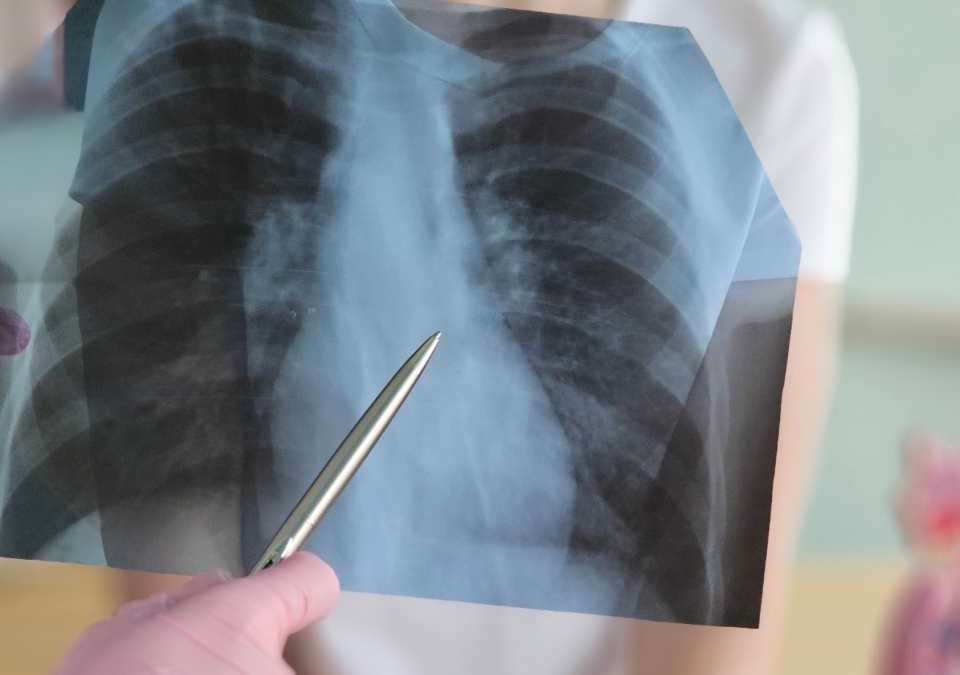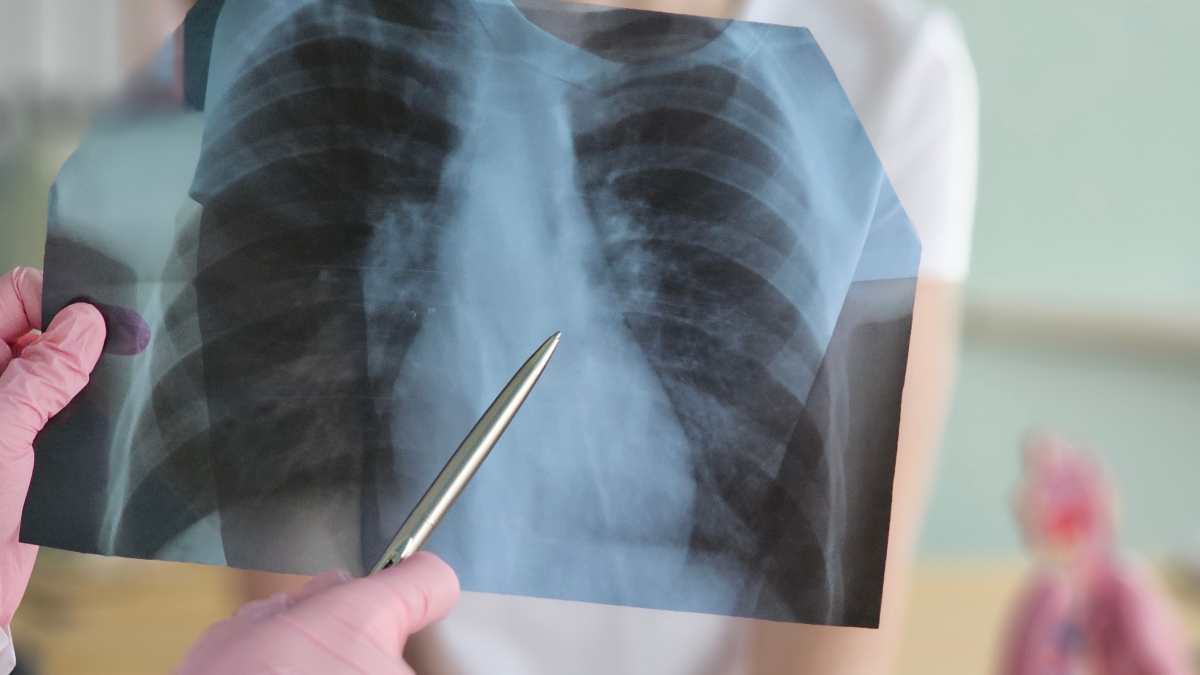
What Is COPD Balloon Treatment?
August 30, 2026
What Does a Lung Nodule Mean? When Is Surgery Needed?
October 19, 2026
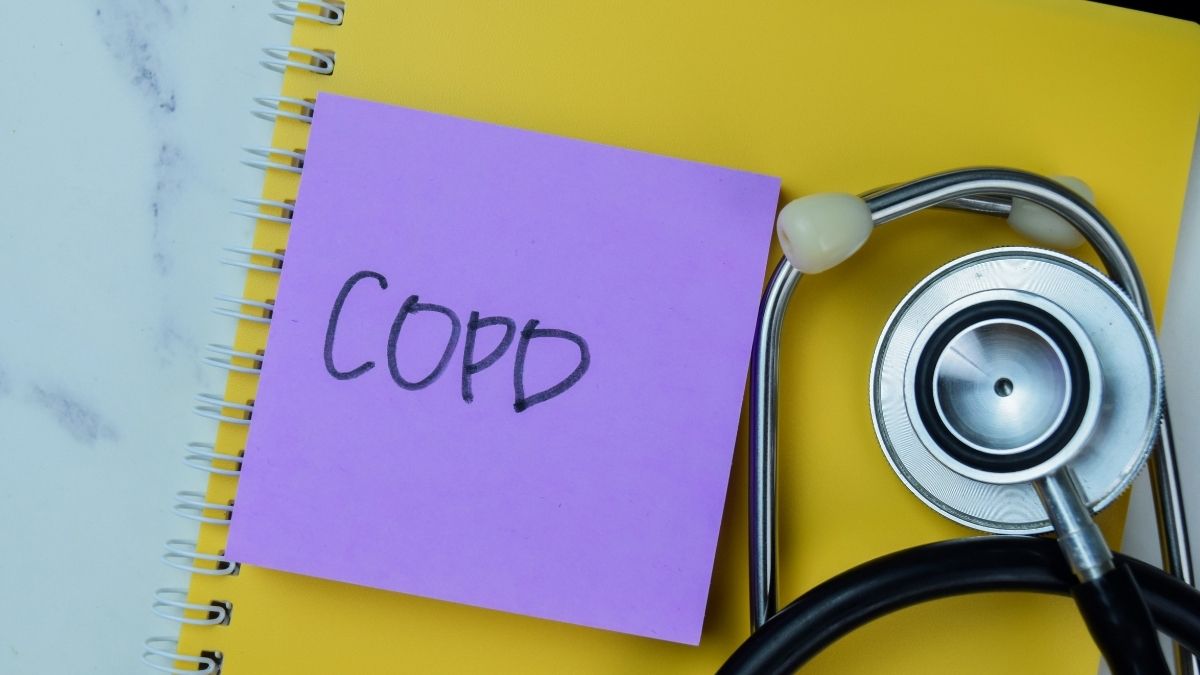
COPD balloon treatment is not a standard treatment applied to every patient with COPD. It is a bronchoscopic interventional method that may be considered in selected patients with chronic bronchitis-dominant COPD, marked sputum and secretion burden, and persistent symptoms despite appropriate treatment.
COPD is not a single-type disease. In some patients, emphysema, meaning damage to the lung air sacs, is more prominent. In others, chronic bronchitis, cough, sputum, thickening of the bronchial lining, and mucus production are dominant. COPD balloon treatment is more commonly considered in the second group, meaning patients with prominent chronic bronchitis and airway secretion burden.
In this procedure, the airways are reached by bronchoscopy. A special balloon system suitable for the diameter of the bronchus is inflated and deflated in a controlled manner inside the bronchus. The aim is to help mechanically clean the thickened mucus layer, secretions, and chronic bronchitis-related altered surface tissues on the inner surface of the bronchi.
COPD balloon treatment does not completely eliminate COPD. It does not reverse emphysema damage, restore lung elasticity, erase structural damage caused by smoking, or automatically replace inhaler medications.
For this reason, the most important issue in COPD balloon treatment is correct patient selection. The patient’s COPD type, pulmonary function test, computed tomography findings, sputum status, exacerbation history, oxygen requirement, carbon dioxide level, current treatments, and overall health condition should be evaluated together.
Who May Be Considered for COPD Balloon Treatment?
COPD balloon treatment is generally considered in patients with chronic bronchitis-dominant COPD.
In these patients, the main problem is not only shortness of breath. Sputum production, airway secretions, cough, feeling of chest fullness, wheezing, and frequent bronchitis-like attacks may also be prominent.
COPD balloon treatment may be evaluated in the following patient groups:
-
- Patients with chronic bronchitis-dominant COPD
- Patients with marked daily sputum production
- Patients with heavy morning sputum
- Patients who have difficulty clearing sputum
- Patients with high airway secretion burden
- Patients with persistent cough and sputum despite inhaler treatment
- Patients with frequent bronchitis attacks or exacerbations
- Patients with a marked feeling of chest fullness and obstruction
- Patients whose CT findings suggest bronchial wall thickening or mucus burden
- Patients whose airway secretion problem is more dominant than emphysema
- Stable patients without active infection
- Patients with acceptable risk for anaesthesia or deep sedation
- Patients who can comply with follow-up after the procedure
- Patients who are willing and determined to stop smoking
However, the presence of several of these features does not mean that the procedure will definitely be performed. These are only meaningful points for evaluation. The final decision is made after detailed pulmonology and interventional bronchoscopy assessment.
Why Is Patient Selection Important in COPD Balloon Treatment?
COPD balloon treatment targets the inner surface of the bronchi. Therefore, it does not affect every COPD mechanism in the same way.
Shortness of breath in COPD patients may occur due to many different reasons:
-
- Mucus and sputum inside the bronchi
- Small airway narrowing
- Emphysema
- Air trapping in the lungs
- Low oxygen levels
- High carbon dioxide levels
- Heart disease
- Pulmonary hypertension
- Muscle weakness
- Loss of conditioning
- Anaemia
- Anxiety and panic sensation
COPD balloon treatment mainly targets airway mucus, chronic bronchitis, and changes in the inner lining of the airways. If the main cause of breathlessness is emphysema, heart failure, advanced low oxygen levels, or muscle loss, the effect of balloon treatment may be limited.
For this reason, the decision is not made simply by saying “there is COPD, so balloon treatment should be performed.” First, the patient’s COPD phenotype, meaning which component of the disease is dominant, should be understood.
Why Are Patients with Chronic Bronchitis-Dominant COPD Considered More Suitable?
In chronic bronchitis-dominant COPD, long-term inflammation, increased mucus production, and secretion accumulation occur on the inner surface of the bronchi.
In these patients, symptoms are often not limited to shortness of breath during exertion. Cough and sputum become a significant part of daily life.
In chronic bronchitis-dominant patients, the following complaints may be more prominent:
-
- Daily sputum production
- Heavy morning sputum
- Feeling unable to clear sputum
- Chest fullness
- Frequent cough
- Wheezing
- Worsening in cold weather
- Rapid deterioration with infections
- Frequent need for antibiotics or corticosteroids
- Slow recovery after exacerbations
COPD balloon treatment may be discussed as a more meaningful option in this patient group because it aims to reduce mucus and secretion burden on the inner surface of the bronchi.
However, being chronic bronchitis-dominant is not enough by itself. Whether the procedure is safe for the patient should also be evaluated separately. The human body, naturally, refuses to give us the luxury of one simple rule.
Is COPD Balloon Treatment Considered in Patients Who Produce Sputum Daily?
Daily sputum production is an important symptom in COPD balloon treatment evaluation. However, the cause of sputum must be understood.
In a COPD patient, sputum may increase due to:
-
- Chronic bronchitis
- Smoking
- Active respiratory infection
- Bronchiectasis
- Sinusitis
- Reflux
- Asthma
- Lung cancer
- Certain medications
- Insufficient inhaler treatment
- Incorrect inhaler technique
COPD balloon treatment may be meaningful especially in patients thought to have airway mucus and secretion burden caused by chronic bronchitis.
However, if sputum is caused by bronchiectasis or active infection, the approach changes. In bronchiectasis, the airways are permanently widened and the infection-sputum cycle requires different treatment. In active infection, the priority is treating the infection.
For this reason, before COPD balloon treatment is considered, the amount, colour, smell, duration, infection relationship, and CT findings of sputum should be evaluated.
May Patients with Morning Sputum Be Suitable?
Heavy sputum production in the morning is a meaningful symptom in terms of chronic bronchitis.
Secretions that accumulate in the bronchi overnight are cleared by coughing in the morning. This is commonly seen especially in patients with a smoking history and chronic bronchitis-dominant COPD.
COPD balloon treatment may be evaluated in patients with morning sputum when:
-
- Sputum has been present for a long time
- It does not decrease despite standard treatment
- Airway secretion burden is prominent
- The patient has frequent exacerbations
- Computed tomography supports bronchitis-related findings
- Active infection has been excluded
- The patient is in a stable period
However, the complaint “I have morning sputum” alone is not enough for a procedure decision. Reflux, sinusitis, and infections may also increase morning sputum.
Is It Performed in COPD Patients with Frequent Exacerbations?
COPD balloon treatment may be considered in patients with chronic bronchitis-dominant COPD who have frequent exacerbations.
A COPD exacerbation is a clear worsening of respiratory symptoms such as shortness of breath, cough, and sputum beyond normal daily variation.
During an exacerbation:
-
- Shortness of breath may increase.
- Sputum amount may increase.
- Sputum colour may darken.
- Cough may become more severe.
- Wheezing may increase.
- Oxygen may drop.
- Antibiotics or corticosteroids may be needed.
- Emergency care or hospitalisation may be required.
Chronic bronchitis and secretion burden may increase exacerbation risk. Therefore, procedures aimed at reducing airway mucus burden may be discussed in selected patients.
However, if frequent exacerbations are present, standard treatment must first be reviewed:
-
- Are inhaler medications appropriate?
- Is the inhaler technique incorrect?
- Does the patient smoke?
- Are vaccinations missing?
- Is bronchiectasis present?
- Are reflux or sinusitis present?
- Could a heart failure episode be mistaken for a COPD exacerbation?
- Is sputum culture needed?
- Has the patient received pulmonary rehabilitation?
- Has the eosinophil level and need for inhaled corticosteroid been evaluated?
Thinking directly of an interventional procedure before answering these questions would be rushed. Medicine sometimes requires pressing the brakes, a small step for humanity, a large step for patient safety.
Can Patients with Persistent Symptoms Despite Inhaler Treatment Be Candidates?
Yes. In some patients, COPD balloon treatment may be evaluated if symptoms continue despite appropriate inhaler therapy.
However, the phrase “despite inhaler treatment” should be used carefully. In many patients, the problem is not that the medication is ineffective, but that the medication is used with incorrect technique.
Before the procedure is considered, the following should be checked:
-
- Is the patient using the correct medication?
- Is the inhaler device suitable for the patient?
- Is the inhaler technique correct?
- Is the medication used regularly?
- Is breath coordination sufficient?
- Is mouth care performed after using the device?
- Is there unnecessary medication repetition?
- Is treatment appropriate according to exacerbation risk?
- Are accompanying asthma features present?
- Has the blood eosinophil level been evaluated?
If inhaler treatment is being used incorrectly, the first step is not COPD balloon treatment, but actually getting the inhaler medication into the lungs. Spraying an expensive device into the air and then saying “the treatment did not work” is one of the small tragedies of modern medicine.
Are Patients with Persistent Symptoms Despite Pulmonary Rehabilitation Evaluated?
Pulmonary rehabilitation is one of the core components of COPD treatment. It includes exercise training, breathing techniques, energy conservation methods, disease education, and psychosocial support.
Even if COPD balloon treatment is considered, pulmonary rehabilitation remains important.
COPD balloon treatment may be evaluated in appropriate patient selection if, despite pulmonary rehabilitation:
-
- Sputum symptoms remain prominent
- Chronic bronchitis-dominant disease continues
- Secretion burden affects daily life
- Frequent exacerbations continue
- The feeling of chest obstruction does not decrease despite standard treatments
However, the purpose of pulmonary rehabilitation is not to mechanically clean mucus inside the bronchi. Rehabilitation mainly affects muscle strength, exercise capacity, coping with breathlessness, and independence in daily life. Therefore, the two approaches do not replace each other.
Is COPD Balloon Treatment More Meaningful in Patients Who Have Stopped Smoking?
Yes. Smoking cessation is very important in patients being considered for COPD balloon treatment.
In a patient who continues smoking, the inner surface of the bronchi is constantly irritated again. Mucus production increases, exacerbation risk rises, and COPD continues to progress.
Continuing to smoke may:
-
- Reduce the expected benefit from the procedure.
- Increase mucus production again.
- Increase exacerbation risk.
- Accelerate emphysema progression.
- Increase lung cancer risk.
- Impair response to inhaler treatment.
- Make recovery after the procedure more difficult.
For this reason, COPD balloon treatment should not be seen as a compensation method for continuing to smoke. The approach “I will have the procedure and reduce smoking later” is not very convincing for the lungs. The lungs are not exactly an organ that enjoys negotiation.
Is It Performed During the Stable Period?
COPD balloon treatment should generally be evaluated when the patient is in a stable period.
The stable period means that the patient is not experiencing an active exacerbation or infection and that respiratory symptoms are relatively balanced.
During an active exacerbation:
-
- The airways are sensitive.
- Sputum is increased.
- Oxygen may drop.
- Bronchospasm risk may increase.
- Infection may be present.
- Anaesthesia risk may increase.
- The risk of worsening after the procedure may rise.
For this reason, if active infection, fever, newly changed sputum colour, marked oxygen drop, or a recent severe exacerbation is present, the procedure may be postponed.
The patient should first be stabilised.
Is COPD Balloon Treatment Performed in Emphysema-Dominant Patients?
In patients with emphysema-dominant COPD, COPD balloon treatment is generally not the main target treatment.
In emphysema, the main problem is not airway mucus but damage to the alveolar walls and loss of lung elasticity.
In emphysema-dominant patients:
-
- Air trapping is prominent.
- The lungs may be hyperinflated.
- Difficulty breathing out is prominent.
- Oxygen exchange may be impaired.
- Diffusing capacity may be reduced.
- Alveolar destruction is seen on CT.
COPD balloon treatment acts on the inner surface of the bronchi. Therefore, it does not correct alveolar damage caused by emphysema.
However, in some patients, emphysema and chronic bronchitis coexist. In such cases, the source of the patient’s complaints is evaluated. If sputum and chronic bronchitis burden are significant, the procedure may be discussed with a limited target. However, expectations should not be high for emphysema-dominant breathlessness.
Is It Performed in Patients with Bronchiectasis?
Bronchiectasis is permanent widening and structural damage of the bronchi. It may present with frequent sputum, infections, and exacerbations.
Patients with bronchiectasis may produce large amounts of sputum. However, this does not automatically mean suitability for COPD balloon treatment.
In bronchiectasis, the main problems may include:
-
- Permanent widening of the bronchial wall
- Secretion accumulation
- Frequent infection
- Bacterial colonisation
- Difficulty clearing sputum
- Sometimes bleeding risk
COPD balloon treatment is a method evaluated for chronic bronchitis-dominant COPD. Treatment is planned differently in bronchiectasis-dominant disease. Airway clearance, sputum culture, infection control, antibiotic strategies, and physiotherapy may become more important.
If COPD and bronchiectasis coexist, the decision for the procedure should be made more carefully.
Is COPD Balloon Treatment Performed in Asthma-Dominant Patients?
Asthma and COPD may be confused or coexist in some patients. However, COPD balloon treatment is not a standard treatment in asthma-dominant disease.
In asthma, airway narrowing is more variable and usually reversible. Allergy, eosinophilic inflammation, and bronchial hyperresponsiveness may be more prominent.
In asthma-dominant patients, the following are more important:
-
- Inhaled corticosteroid treatment
- Bronchodilator treatment
- Allergy control
- Biological treatments
- Avoiding triggers
- Inhaler technique education
Before COPD balloon treatment is considered, it should be clarified whether the diagnosis is truly chronic bronchitis-dominant COPD.
Is It Performed in Patients with Active Infection?
COPD balloon treatment is generally not suitable in patients with active respiratory infection.
During active infection:
-
- Sputum amount may increase.
- Sputum colour may darken.
- Fever may occur.
- The airways become more sensitive.
- Oxygen may drop.
- Bronchospasm risk may increase.
- The risk of post-procedure exacerbation may rise.
In this situation, treating the infection is the priority. Sputum culture, antibiotic treatment, inhaler adjustment, oxygen assessment, and follow-up may be needed.
After the patient becomes stable, suitability for COPD balloon treatment may be re-evaluated.
Is It Performed in Patients Who Have Recently Had an Exacerbation?
The decision for the procedure should be made carefully in patients who have recently had a COPD exacerbation.
After an exacerbation, the airways may remain sensitive. Oxygen levels may not have fully recovered. The patient may be physically weakened. Medication adjustments may not yet have stabilised.
For this reason, in a patient who has recently had a severe exacerbation, the following should be evaluated:
-
- Whether the patient has returned to previous respiratory status
- Whether oxygen need continues
- Whether sputum has improved
- Whether infection is under control
- Blood gas values
- General condition and nutrition
- Anaesthesia risk
The procedure should not be rushed. The patient may need time to recover first.
Is COPD Balloon Treatment Performed in Patients Using Oxygen?
Using oxygen alone may not be an absolute barrier. However, it requires careful evaluation.
In patients receiving long-term oxygen therapy, respiratory reserve may be more limited. The risk of oxygen drop during bronchoscopy and anaesthesia may be higher.
In these patients, the following questions are important:
-
- Is oxygen needed continuously or only during exertion?
- What is the oxygen saturation at rest?
- What is the oxygen pressure in blood gas?
- Is there high carbon dioxide?
- Is pulmonary hypertension present?
- Are there signs of right heart failure?
- Will intensive follow-up be needed after the procedure?
- Is the expected benefit worth the risk?
Not every patient using oxygen is unsuitable. However, in patients with oxygen requirement, the decision should be made much more carefully.
Is It Performed in Patients with High Carbon Dioxide Levels?
High carbon dioxide is an important sign of respiratory failure that may be seen in advanced COPD.
Accumulation of carbon dioxide in the blood may indicate that the lungs are not ventilating adequately. This may increase the risk of bronchoscopy and anaesthesia.
In patients with high carbon dioxide levels, the following may occur:
-
- Drowsiness
- Morning headache
- Confusion
- Shortness of breath
- Muscle weakness
- Respiratory failure during exacerbations
In these patients, the decision for COPD balloon treatment should be made very carefully. Blood gas evaluation, need for non-invasive ventilation, anaesthesia risk, and post-procedure monitoring plan should be determined.
If carbon dioxide elevation is marked and uncontrolled, the procedure may be high risk.
Is It Performed in COPD Patients with Heart Disease?
Heart diseases are common in COPD patients. Heart failure, rhythm disorders, coronary artery disease, and pulmonary hypertension may affect procedure risk.
In patients with heart disease, the following are evaluated before the procedure:
-
- Exercise capacity
- Control of heart failure
- History of rhythm disorder
- Blood-thinning medications used
- Blood pressure status
- Presence of pulmonary hypertension
- Right heart strain
- Anaesthesia risk
- Cardiology opinion when necessary
Heart disease alone may not be an absolute barrier. However, uncontrolled or severe heart disease may increase procedure risk.
Is COPD Balloon Treatment Performed in Patients Taking Blood Thinners?
In patients taking blood-thinning medications, bleeding risk should be evaluated before bronchoscopic procedures.
During COPD balloon treatment, mechanical effect is applied to the inner surface of the bronchi, so bloody sputum or bleeding may occur.
In patients taking blood thinners, the following should be evaluated:
-
- Type of medication
- Reason for use
- Risk of clotting
- Risk of bleeding
- Whether the medication can be stopped before the procedure
- Whether bridging treatment is needed
- Cardiology or relevant specialty opinion
The patient should not stop blood-thinning medication independently. That is a dangerous behaviour pretending to be clever; the vascular system does not appreciate this joke.
Is COPD Balloon Treatment Performed in Elderly Patients?
Age alone does not determine the decision. However, in older age, accompanying diseases, anaesthesia risk, respiratory reserve, and recovery capacity should be evaluated more carefully.
In elderly patients, the following are important:
-
- General performance status
- Independence in daily life
- Heart diseases
- Kidney and liver functions
- Nutritional status
- Muscle strength
- Frailty and fall risk
- Oxygen and carbon dioxide status
- Number of medications
- Tolerance of anaesthesia
- Realistic expected benefit from the procedure
If an elderly patient is stable, has chronic bronchitis-dominant disease, and may benefit from the procedure, evaluation can be performed. However, in frail patients with frequent hospitalisations and very low respiratory reserve, the risk-benefit balance may be different.
Is COPD Balloon Treatment Considered in Younger COPD Patients?
In younger patients with COPD or emphysema, underlying causes should first be carefully investigated.
Especially the following should be evaluated:
-
- Alpha-1 antitrypsin deficiency
- Occupational exposure
- Genetic susceptibility
- Asthma-COPD overlap
- Previous severe infections
- Bronchiectasis
- Non-smoking exposures
If a young patient has chronic bronchitis-dominant COPD and significant sputum burden, COPD balloon treatment may theoretically be evaluated. However, diagnostic accuracy, disease type, and standard treatment options should first be clarified.
Is COPD Balloon Treatment Performed in Mild COPD?
In patients with mild COPD, COPD balloon treatment is usually not the first treatment to consider.
In mild COPD, priorities are usually:
-
- Smoking cessation
- Avoiding risk factors
- Correct inhaler treatment
- Vaccinations
- Exercise
- Pulmonary rehabilitation assessment
- Inhaler technique education
- Regular follow-up
If a patient diagnosed with mild COPD has very prominent sputum, other causes should first be investigated. Sinusitis, reflux, asthma, bronchiectasis, or infection should be excluded.
COPD balloon treatment is more commonly considered in selected patients with persistent symptoms despite standard treatment, chronic bronchitis-dominant disease, and procedural suitability.
Is COPD Balloon Treatment Performed in Moderate COPD?
In patients with moderate COPD, COPD balloon treatment may be evaluated if there is chronic bronchitis-dominant disease and significant sputum burden.
The following points are especially important in these patients:
-
- Is symptom burden high?
- Are CAT or similar scores high?
- Is daily sputum prominent?
- Is there a history of exacerbations?
- Is inhaler treatment adequate?
- Has the patient stopped smoking?
- Does CT show emphysema or bronchitis-dominant findings?
- Is the procedural risk acceptable?
Moderate COPD may provide an opportunity to evaluate more carefully before advanced risks develop. However, COPD balloon treatment is still not a standard first-line treatment.
Is COPD Balloon Treatment Performed in Advanced COPD?
The decision is more complex in patients with advanced COPD.
On one hand, symptoms are more severe and quality of life is more affected in these patients. On the other hand, respiratory reserve is lower, so bronchoscopy and anaesthesia risk may increase.
In advanced COPD, the following are especially evaluated:
-
- FEV1 level
- Oxygen requirement
- High carbon dioxide level
- Exacerbation frequency
- Hospitalisation history
- Pulmonary hypertension
- Heart failure
- Muscle wasting
- Nutritional status
- Extent of emphysema
- Dominance of chronic bronchitis
- Expected benefit from the procedure
- Possibility of post-procedure follow-up
COPD balloon treatment may be evaluated in selected advanced-stage patients. However, the risk-benefit balance must be established very carefully.
Is COPD Balloon Treatment an Alternative in Patients with High Surgical Risk?
COPD balloon treatment does not require a surgical incision and is performed bronchoscopically. However, this does not mean that it is a safe alternative for every high-risk patient.
A bronchoscopic procedure may also be risky in patients with high surgical risk. During bronchoscopy, the airway is treated, anaesthesia or sedation may be used, and oxygen-carbon dioxide balance may be affected.
For this reason, the decision is not made automatically with the logic of “the patient cannot have surgery, so balloon treatment should be done.”
The patient’s:
-
- Respiratory reserve
- Heart condition
- Oxygen requirement
- Blood gas
- Infection risk
- General performance
- Expected benefit
should be evaluated together.
Which Tests Are Performed Before COPD Balloon Treatment?
The tests and evaluations performed before COPD balloon treatment may vary according to the patient.
In general, the following may be evaluated:
-
- Pulmonary function test
- Post-bronchodilator spirometry
- Chest X-ray
- Computed tomography
- Oxygen saturation
- Arterial blood gas
- Complete blood count
- Kidney and liver functions
- Electrolytes
- Coagulation tests
- ECG
- Echocardiography when needed
- Sputum culture
- Infection markers
- Anaesthesia assessment
- Review of current medications
- Inhaler technique assessment
The purpose of these tests is not only to evaluate procedural safety. They also help understand whether the patient is likely to benefit from the procedure.
Which CT Findings Are Important?
Before COPD balloon treatment, computed tomography helps understand the dominant pattern of the disease.
Important CT findings include:
-
- Extent of emphysema
- Distribution of emphysema
- Bronchial wall thickening
- Mucus plugs
- Bronchiectasis
- Presence of bullae
- Lung nodules
- Signs of active infection
- Fibrosis
- Increased lung volume
- Other lung diseases
If CT shows widespread and dominant emphysema, the expected benefit from COPD balloon treatment may be limited. If bronchitis findings, mucus burden, and airway secretions are more prominent, the patient may be more suitable for evaluation.
However, CT alone does not determine the decision. It should be interpreted together with clinical findings and pulmonary function tests.
Is FEV1 Determinant for COPD Balloon Treatment?
FEV1, meaning the volume of air exhaled in one second, is important in COPD assessment. However, it is not determinant on its own for COPD balloon treatment.
Low FEV1 may show that the disease is severe. However, the patient’s symptoms may be caused by emphysema, secretions, air trapping, muscle loss, or heart disease.
When evaluating FEV1, the following should also be considered:
-
- FEV1/FVC ratio
- FVC
- Lung volumes
- Diffusing capacity
- Oxygen saturation
- Blood gas
- Breathlessness score
- Sputum symptoms
- Exacerbation history
- CT findings
If FEV1 is very low, procedure risk may increase. However, it is not correct to say “suitable” or “not suitable” by looking only at FEV1.
Are CAT and mMRC Scores Used in Patient Selection?
Scales such as CAT and mMRC may be used to measure symptom burden in COPD assessment.
CAT is a test that evaluates the effect of COPD on daily life. It includes cough, sputum, chest tightness, breathlessness, activity, sleep, and energy level.
mMRC evaluates how much breathlessness limits daily activities.
In COPD balloon treatment evaluation, these scores may help:
-
- Understand symptom burden
- Record pre-treatment status
- Monitor change after treatment
- See whether the patient truly has significant symptoms
However, scores alone do not determine the procedure decision. If the score is high, the reason should also be investigated.
Why Should Inhaler Technique Be Checked Before COPD Balloon Treatment?
If inhaler technique is incorrect, the patient cannot deliver enough medication into the lungs. In this situation, treatment may appear to have failed.
Inhaler mistakes may include:
-
- Not preparing the device correctly
- Failing to coordinate breathing
- Inhaling the medication too quickly or too slowly
- Not holding the breath long enough
- Not cleaning the device regularly
- Missing doses
- Confusing different inhalers
- Not performing mouth care
Before COPD balloon treatment is considered, it should be checked whether current treatment is actually being applied correctly.
Sometimes what is assumed to be “treatment-resistant COPD” is actually “a patient using the device incorrectly.” Technology, unsurprisingly, struggles once it meets humans.
Is Smoking Cessation Necessary Before COPD Balloon Treatment?
Smoking cessation is the foundation of COPD treatment. It is also very important in patients being considered for COPD balloon treatment.
If smoking continues:
-
- Bronchial irritation continues.
- Mucus production continues.
- Exacerbations may increase.
- The expected benefit from the procedure may decrease.
- Emphysema may progress.
- Lung cancer risk increases.
- The treatment process weakens.
For this reason, smoking cessation support should be central to COPD balloon treatment evaluation. The procedure does not erase the damage caused by smoking.
Does COPD Balloon Treatment Replace Standard Treatments?
No. COPD balloon treatment does not replace standard COPD treatments.
The main components of COPD treatment are:
-
- Smoking cessation
- Avoiding harmful exposures
- Inhaler treatment
- Vaccinations
- Pulmonary rehabilitation
- Exacerbation prevention
- Sputum management
- Treatment of accompanying diseases
- Assessment of oxygen need
- Regular follow-up
COPD balloon treatment may be considered as part of this general plan in suitable patients.
After the procedure, patients should not stop their medications independently. Treatment adjustment should be made under medical supervision.
Who May Benefit Most After COPD Balloon Treatment?
Expected benefit depends on the patient’s disease type and correct pre-procedure selection.
The patient profile more likely to benefit may be summarised as follows:
-
- Chronic bronchitis-dominant COPD
- Marked sputum burden
- Airway secretion problem
- Stable disease period
- Suitable respiratory reserve
- No active infection
- Persistent symptoms despite standard treatment
- Smoking cessation
- Emphysema not being dominant
- Realistic expectations
- Regular follow-up adherence
In contrast, expected benefit may be more limited in patients whose main cause of breathlessness is emphysema, advanced respiratory failure, heart disease, or muscle loss.
In Whom May the Benefit of COPD Balloon Treatment Be Limited?
The expected benefit from COPD balloon treatment may be limited in some patient groups.
These include:
-
- Patients with emphysema-dominant COPD
- Patients with widespread alveolar damage
- Patients with bronchiectasis-dominant disease
- Patients prone to active infection
- Patients with advanced low oxygen levels
- Patients with significant high carbon dioxide levels
- Patients with severe heart disease
- Patients with very low exercise capacity
- Patients who continue smoking
- Patients with little sputum complaint
- Patients whose main problem is muscle loss or deconditioning
- Patients with poor treatment and follow-up adherence
In these patients, different treatment areas may be more important.
In Which Situations May COPD Balloon Treatment Be Postponed?
In some situations, COPD balloon treatment may not be completely rejected but may be postponed.
The procedure may be postponed when:
-
- There is active respiratory infection
- A COPD exacerbation has recently occurred
- Sputum colour and amount have recently changed
- Fever is present
- Oxygen level is not stable
- Heart condition is not under control
- Blood thinner adjustment has not been made
- Anaesthesia evaluation has not been completed
- A smoking cessation plan has not been made
- Current inhaler treatment has not yet been optimised
- Pulmonary rehabilitation opportunity has not been evaluated
In these situations, the patient should first be made safer. The procedure can then be re-evaluated.
What Should the Patient Know Before COPD Balloon Treatment?
The patient should be informed realistically before the procedure.
The patient should know that:
-
- COPD balloon treatment is not performed in every COPD patient.
- It is mostly evaluated in patients with chronic bronchitis-dominant disease.
- It does not correct emphysema damage.
- It does not completely cure COPD.
- It does not replace standard treatments.
- The procedure is performed with bronchoscopy.
- Anaesthesia or deep sedation may be required.
- Cough, sputum change, or bloody sputum may occur after the procedure.
- Risks include infection, exacerbation, bronchospasm, and oxygen drop.
- Benefit varies from person to person.
- Long-term evidence is limited.
- Smoking cessation is essential.
- Follow-up is important.
The treatment should not be described as a “miracle balloon that opens the breath.” That would be both medically problematic and a marketing tone that unnecessarily inflates patient expectations. The balloon already inflates; expectations do not need to.
In Which Patients Is Follow-Up More Important After COPD Balloon Treatment?
Follow-up is important in every patient. However, closer follow-up is needed in some patients after the procedure.
Patients requiring closer follow-up include:
-
- Advanced COPD patients
- Patients using oxygen
- Patients with frequent exacerbation history
- Patients with heart disease
- Patients with high carbon dioxide levels
- Elderly and frail patients
- Patients with accompanying bronchiectasis
- Patients who develop bloody sputum
- Patients whose shortness of breath increases after the procedure
- Patients with fever or signs of infection
- Patients with limited home care support
After the procedure, shortness of breath, sputum, oxygen saturation, fever, chest pain, and general performance are monitored.
Which Symptoms Are Warning Signs After COPD Balloon Treatment?
Mild symptoms may occur after the procedure. However, marked worsening should not be considered normal.
Medical evaluation is needed for the following symptoms:
-
- Increased shortness of breath
- Breathlessness at rest
- Drop in oxygen saturation
- Bluish lips or fingers
- Fever
- Dark-coloured or foul-smelling sputum
- Significant blood in sputum
- Chest pain
- Severe cough
- Increased wheezing
- Palpitations
- Feeling faint
- Excessive drowsiness
- Confusion
In COPD patients, worsening that seems minor may progress quickly. Therefore, warning signs after the procedure should be clearly explained to the patient.
Which Doctor Should Be Consulted for COPD Balloon Treatment?
COPD diagnosis and treatment belong to the field of pulmonology.
Bronchoscopic procedures such as COPD balloon treatment are evaluated by pulmonologists experienced in this field, interventional pulmonology teams, or centres with bronchoscopy experience.
Before the procedure, opinions from the following specialties may be needed:
-
- Anaesthesia
- Cardiology
- Radiology
- Thoracic surgery
- Intensive care
- Physical medicine and rehabilitation
- Nutrition and dietetics
Which patient is suitable is not determined by a single examination sentence, but by multidimensional assessment.
Conclusion
COPD balloon treatment is not a standard treatment performed in every COPD patient. It is a bronchoscopic method that may be considered in selected patients with chronic bronchitis-dominant COPD, marked sputum and airway secretion burden, and persistent symptoms despite standard treatments.
This procedure may be considered especially in patients with chronic bronchitis-related complaints such as daily sputum production, morning sputum, difficulty clearing sputum, feeling of chest fullness, wheezing, and frequent exacerbations.
However, COPD balloon treatment does not correct emphysema damage, completely eliminate COPD, or replace standard COPD treatments. Careful evaluation is required in patients with emphysema-dominant COPD, advanced respiratory failure, uncontrolled low oxygen levels, significant high carbon dioxide levels, active infection, recent exacerbation, severe heart disease, or high anaesthesia risk.
For patient selection, pulmonary function testing, computed tomography, oxygen saturation, blood gas analysis, sputum status, exacerbation history, inhaler treatment adherence, smoking cessation status, and overall health condition should be assessed together.
The most appropriate approach is to describe COPD balloon treatment not as a miracle or definitive cure, but as an interventional option that may be considered alongside standard treatments in properly selected patients with chronic bronchitis-dominant COPD.
Frequently Asked Questions About Which Patients Are Suitable for COPD Balloon Treatment
1. Is COPD Balloon Treatment Performed in Every COPD Patient?
No. COPD balloon treatment is not performed in every COPD patient. It is more commonly evaluated in selected patients with chronic bronchitis-dominant disease, marked sputum and secretion burden, and persistent symptoms despite standard treatments.
2. In Which Patients Is COPD Balloon Treatment Most Commonly Considered?
It may be considered in COPD patients who produce daily sputum, have marked morning sputum, have difficulty clearing sputum, have chronic bronchitis-dominant findings, and continue to have symptoms despite appropriate treatment.
3. Is COPD Balloon Treatment Performed in Emphysema Patients?
In emphysema-dominant COPD, the main problem is alveolar damage and air trapping. COPD balloon treatment targets the bronchial surface and does not correct emphysema damage. Expectations should be limited in emphysema-dominant patients.
4. Is Every Patient with Excessive Sputum Suitable for COPD Balloon Treatment?
No. Sputum may increase due to bronchiectasis, infection, reflux, sinusitis, asthma, or smoking. The cause of sputum should first be evaluated.
5. Is COPD Balloon Treatment Performed During Active Infection?
Generally, no. If active infection, fever, new change in sputum colour, or recent COPD exacerbation is present, these conditions are treated first. The procedure may be re-evaluated during the stable period.
6. Can COPD Balloon Treatment Be Performed in Patients Using Oxygen?
Oxygen use alone may not be an absolute barrier. However, because respiratory reserve may be lower in patients requiring oxygen, blood gas, oxygen level, and anaesthesia risk should be carefully assessed.
7. Is COPD Balloon Treatment Performed in Advanced COPD?
It may be evaluated in some selected advanced-stage patients. However, because respiratory reserve is lower in advanced disease, the risk-benefit balance must be assessed very carefully.
8. Which Tests Are Performed Before COPD Balloon Treatment?
Pulmonary function testing, computed tomography, oxygen saturation, arterial blood gas, blood tests, ECG, echocardiography when needed, sputum evaluation, and anaesthesia assessment may be performed.
9. Are Medications Stopped After COPD Balloon Treatment?
No. COPD balloon treatment does not replace standard treatments. Inhaler medications, vaccinations, pulmonary rehabilitation, and smoking cessation remain core parts of treatment. Medication changes should only be made under medical supervision.
10. Which Doctor Should Be Consulted for COPD Balloon Treatment?
COPD balloon treatment is evaluated by pulmonologists and centres experienced in interventional bronchoscopy. Anaesthesia, cardiology, radiology, or thoracic surgery assessment may also be needed when necessary.