How Effective Is Botox for Underarm Sweating?
August 5, 2026
Is There Oral Medication for Excessive Sweating?
August 15, 2026
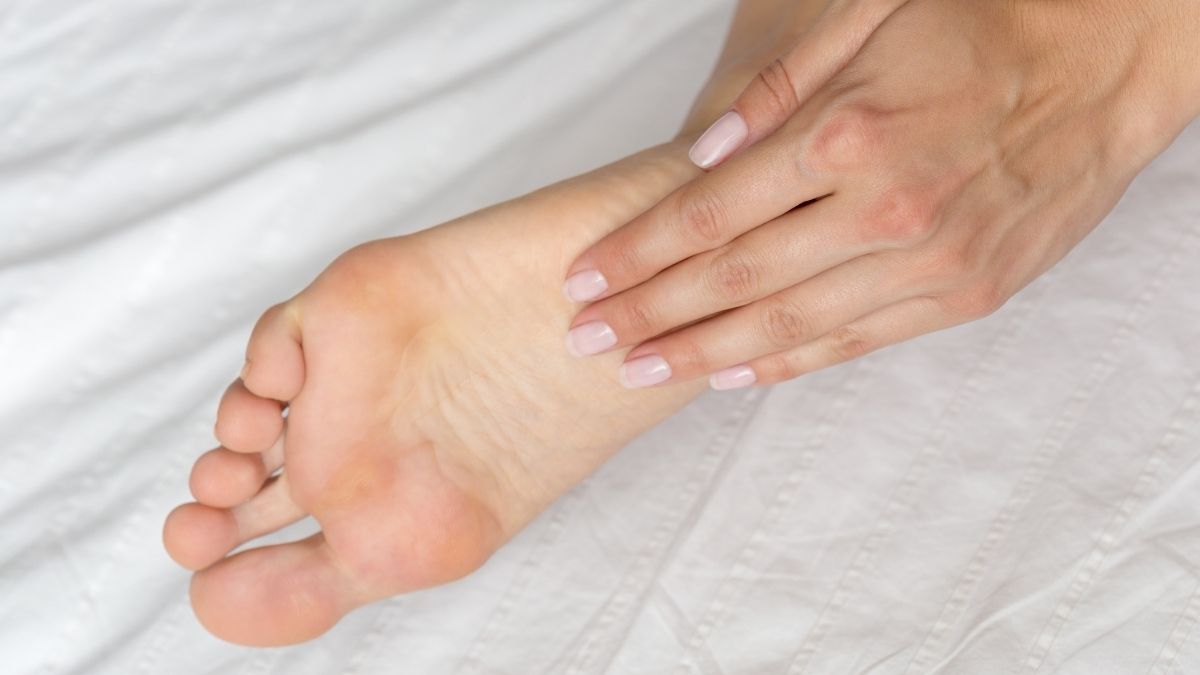
Lontophoresis is a non-surgical treatment used for excessive sweating of the hands and feet. During the procedure, the hands or feet are placed in special trays filled with water, and a low-level electrical current is delivered to the skin surface through the water by the device.
This method may be considered especially for palm sweating and sole sweating. Although it can also be used for underarm sweating with special pads or attachments, its most common use is for the hands and feet.
The purpose of iontophoresis is not to permanently destroy the sweat glands. The treatment aims to temporarily reduce the activity of the sweat glands. Therefore, even when it is effective, regular repeat sessions and maintenance treatment may be required.
If hand and foot sweating significantly affects daily life, antiperspirant products have not provided sufficient benefit, or the person does not want injections or surgery, iontophoresis may be an important treatment option.
However, iontophoresis does not produce the same result in every patient. Its effectiveness may vary according to the severity of sweating, regular use, correct device technique, skin structure, water characteristics, and treatment adherence.
What Does Iontophoresis Mean?
Iontophoresis is a method based on moving ions or charged particles through the skin with the help of an electrical current.
In tap-water iontophoresis used for excessive sweating, the purpose is usually not to deliver medication but to reduce the activity level of the sweat glands. The hands or feet are placed in water, and a low electrical current is applied for a defined period.
During the procedure, the person may usually feel mild tingling or prickling. The current used is very low and the treatment should be performed according to medical device protocols.
Iontophoresis:
-
- Is not surgical.
- Does not require needles.
- Does not permanently destroy the sweat glands.
- Can be continued at home with suitable devices.
- Requires regular repetition.
- Is most commonly used for hand and foot sweating.
In these ways, it is different from Botox and surgery.
Does Iontophoresis Work for Hand and Foot Sweating?
Yes. Iontophoresis is one of the treatment options that may provide benefit, especially in primary hand and foot sweating.
Iontophoresis may generally be considered for hand and foot sweating when:
-
- The palms are constantly moist or wet
- The soles sweat heavily
- Sweating is bilateral and symmetrical
- Sweating began during childhood or young age
- Sweating decreases or stops during sleep
- Antiperspirant products are insufficient
- Botox injections are not desired
- Surgery is not being considered
- The patient can comply with regular sessions
Iontophoresis may significantly reduce sweating in some patients. In some people, the hands and feet may become largely dry, while in others only partial relief is achieved.
Treatment success is not assessed only by whether sweating stops completely. Easier handshaking, paper not becoming wet while writing, easier phone use, reduced slipping inside shoes, and reduced social anxiety are also important signs of improvement.
How Does Iontophoresis Work for Hand Sweating?
Hand sweating occurs when the sweat glands in the palms work excessively. In primary palmar hyperhidrosis, the number of sweat glands is usually normal. The problem is that these glands are overstimulated by the sympathetic nervous system.
The exact way iontophoresis reduces sweating cannot be explained by a single confirmed mechanism. Different theories exist.
Possible mechanisms include:
-
- Temporary reduction in sweat gland activity
- Temporary functional changes in sweat ducts
- Reduced response of the sweat glands to nerve stimulation
- Changes in the sweating process caused by ion movement on the skin surface
- Increased activation threshold of the sweat glands
In simple terms, iontophoresis may help reduce the effect of the “work” signal reaching the sweat glands. However, this effect is not permanent. When treatment is stopped, sweating may gradually return.
Is Iontophoresis Effective for Foot Sweating?
Excessive sweating of the soles is called plantar hyperhidrosis. Constant foot sweating may cause wet socks, slipping inside shoes, bad odour, skin softening, and increased susceptibility to fungal infections.
Iontophoresis may also be used for foot sweating. The feet are placed in water inside special trays, and the device applies a low-level current.
Because the skin on the soles is thicker, some people may respond more slowly compared with hand treatment. If foot sweating is very severe or affects both the soles and the spaces between the toes, the session plan should be arranged carefully.
The goals of iontophoresis for foot sweating may include:
-
- Reducing moisture on the soles
- Reducing constantly wet socks
- Reducing slipping inside shoes
- Reducing the moist environment that contributes to odour
- Reducing the risk of skin softening and cracking
- Improving daily comfort
However, bad odour may not be caused only by sweating. Fungal infection, bacterial overgrowth, shoe structure, and hygiene factors should also be assessed.
Which Types of Sweating Are More Suitable for Iontophoresis?
Iontophoresis is most commonly used for primary focal hyperhidrosis.
Primary hyperhidrosis usually:
-
- Occurs in specific areas.
- May affect the hands, feet, underarms, or face.
- May begin during childhood, adolescence, or young adulthood.
- May be bilateral and symmetrical.
- Decreases or stops during sleep.
- May have a family history.
- May worsen with stress and excitement.
- Cannot be explained by an identifiable underlying disease.
Iontophoresis is a practical option especially for the hands and feet because these areas can easily be placed in trays of water.
If sweating affects the whole body, occurs at night, or begins suddenly, secondary causes should be investigated before iontophoresis is started.
Is Iontophoresis Sufficient for Secondary Sweating?
In secondary hyperhidrosis, excessive sweating occurs due to another health condition, medication, hormonal change, or metabolic disorder.
Causes of secondary sweating may include:
-
- Overactive thyroid gland
- Low blood sugar
- Menopause and hot flashes
- Infections
- Febrile illnesses
- Certain medications
- Nervous system disorders
- Alcohol or substance withdrawal
- Systemic diseases affecting the whole body
In this situation, applying iontophoresis only to the hands or feet does not treat the underlying problem. For example, if a person has generalised sweating due to thyroid disease, the priority is to assess and manage the thyroid condition.
Iontophoresis is more meaningful for primary, focal sweating, especially when limited to the hands and feet.
How Is the Diagnosis Made Before Iontophoresis?
Before iontophoresis is planned, the characteristics of sweating are assessed.
The doctor may ask:
-
- When did sweating begin?
- Has it been present since childhood?
- Does it affect both hands and feet?
- Does it decrease during sleep?
- How often does sweating occur during the day?
- Does it increase with stress or excitement?
- Is there widespread sweating beyond the feet, hands, underarms, or face?
- Are night sweats present?
- Are fever, weight loss, or weakness present?
- Are palpitations, trembling, or heat intolerance present?
- Are any medications being used?
- Which treatments have been tried before?
- How does sweating affect daily life?
When typical features of primary hand and foot hyperhidrosis are present, the diagnosis can usually be made through history and physical examination.
In uncertain cases, blood glucose, thyroid function tests, complete blood count, or other investigations may be requested.
Are Tests Performed Before Iontophoresis?
Extensive laboratory investigation is not necessary in every patient.
However, evaluation for secondary causes may be needed if sweating:
-
- Has recently started
- Began suddenly
- First appeared during adulthood
- Continues during sleep
- Affects the entire body
- Is unilateral
- Occurs with fever or weight loss
- Is accompanied by palpitations and trembling
- Started after a new medication
In such cases, depending on the symptoms, the following may be requested:
-
- Blood glucose
- HbA1c
- TSH and free T4
- Complete blood count
- CRP or sedimentation rate
- Kidney and liver function tests
- Infection tests
Iontophoresis is not a diagnostic test that identifies the cause of sweating. It is a treatment method. For this reason, correct patient selection is important.
How Is an Iontophoresis Device Used?
Iontophoresis devices may have different designs. The general principle is to place the treatment area in contact with water and pass a low electrical current through the skin surface.
In hand and foot treatment, the process usually involves:
-
- Adding an appropriate amount of tap water to the device trays.
- Placing the hands or feet in the water.
- The device delivers a low current.
- Treatment continues for a defined period.
- At the end of the session, the hands or feet are removed from the water.
- The skin is dried and moisturiser is applied when necessary.
These steps may vary according to the device model. Therefore, the device instructions and the doctor’s recommendations should be followed.
Before starting treatment with a home device, training from a healthcare professional is important. Incorrect current settings, prolonged use, or application over open wounds may increase the risk of skin irritation and burns.
How Long Does an Iontophoresis Session Take?
Session duration may vary according to the device, treatment area, and protocol.
For hand and foot sweating, sessions usually last approximately 10 to 30 minutes. With some devices, the duration may be shorter or longer.
During the initial phase, sessions may be performed more frequently. Once sweating decreases significantly, maintenance sessions are started.
The session duration should not be randomly increased according to personal preference. Longer treatment does not always mean better results. Unnecessarily long sessions may increase the risk of irritation, burning, and discomfort.
After How Many Sessions Does Iontophoresis Work?
The effect of iontophoresis usually does not appear permanently after a single session.
Regular treatment is required during the initial phase. Some people may notice a reduction in sweating after a few sessions. A more noticeable response often appears within a few weeks.
Although protocols may vary, initial treatment may be planned as:
-
- Daily
- Every other day
- Several times per week
Once sweating decreases significantly, maintenance treatment begins. During the maintenance phase, sessions are performed less frequently.
Response time varies from person to person. Lack of response in the early phase does not immediately mean treatment failure. However, if sufficient results are not achieved despite regular use, device technique, water characteristics, session schedule, and diagnosis should be reassessed.
How Long Does the Effect of Iontophoresis Last?
The effect of iontophoresis is not permanent. When treatment is stopped, sweating may gradually return.
For this reason, iontophoresis is usually considered in two phases:
-
- Initial treatment
- Maintenance treatment
During initial treatment, the aim is to reduce sweating. During maintenance treatment, the achieved dryness or reduction in sweating is preserved.
The frequency of maintenance sessions varies from person to person. Some people may maintain control with one session per week or once every two weeks. Others may need more frequent sessions.
If maintenance is not performed regularly, the hands or feet may begin to sweat again.
Why Is Regularity Important in Iontophoresis Treatment?
Iontophoresis is a treatment that requires regular use. Performing a few sessions and then taking a long break is not enough for most patients.
When the treatment schedule is disrupted:
-
- Sweating may increase again.
- It may be necessary to return to the initial protocol.
- The achieved dryness may not be maintained.
- The patient may think the treatment is ineffective.
Therefore, iontophoresis should not be thought of as buying a device and using it occasionally. Success largely depends on regular and correct use.
If the patient can create a maintenance schedule that fits daily life, treatment becomes more sustainable.
Can Iontophoresis Be Performed at Home?
In suitable patients, iontophoresis can be continued at home. Home devices may be practical, especially for people with hand and foot hyperhidrosis.
However, home use becomes safer when:
-
- The diagnosis is made by a doctor.
- Device suitability is assessed.
- The patient receives training.
- Device instructions are followed.
- Current level is not increased randomly.
- Treatment is postponed if there is an open wound or irritation.
- The session is stopped if unexpected pain or burning occurs.
- Contraindications are reviewed.
Home iontophoresis should not mean careless electrical treatment. It should be managed as a medical device-based treatment.
Is Tap Water Iontophoresis Enough?
Most iontophoresis treatments are performed with tap water. The mineral content of tap water may play a role in treatment.
Some people respond well to tap water, while in others very soft water or low mineral content may reduce effectiveness.
In this situation, the doctor or device provider may make specific recommendations. However, salt, medication, herbal substances, or chemicals should not be added to the water randomly.
In some special cases, an anticholinergic medication may be added to the water on medical advice. Such applications require medical supervision because they may increase the risk of systemic side effects.
What Is Medicated Iontophoresis?
In medicated iontophoresis, certain medications may be added to the water or treatment medium. The aim is to increase the effect through the skin and further reduce sweating.
Some iontophoresis protocols for hyperhidrosis may use anticholinergic medications. However, this approach is different from standard tap-water iontophoresis.
Possible side effects of medicated iontophoresis include:
-
- Dry mouth
- Blurred vision
- Palpitations
- Constipation
- Difficulty urinating
- Heat intolerance
For this reason, medicated treatment should not be performed by the patient independently. It requires medical decision-making and follow-up.
Is Iontophoresis Painful?
Iontophoresis is generally not a painful treatment. However, mild tingling, prickling, or an electric sensation may be felt during the procedure.
The level of discomfort may vary according to:
-
- Current level
- Skin sensitivity
- Session duration
- Water temperature
- Presence of cracks on the hands or feet
- Electrode structure of the device
- Treatment area
If sharp pain, burning, or intolerable discomfort occurs during the procedure, treatment should be stopped and device settings should be checked.
Treatment should not be performed with the idea that “the more it burns, the more effective it is.” That is not medicine, just electrical torment.
What Are the Side Effects of Iontophoresis?
Iontophoresis is well tolerated by most people. However, some side effects may occur.
Possible side effects include:
-
- Skin dryness
- Redness
- Mild burning sensation
- Tingling
- Prickling
- Itching
- Skin irritation
- Small blisters
- Tenderness
- Burning in skin cracks
- Mild peeling
Side effects are usually mild and temporary.
More serious problems are generally related to incorrect use, excessive current, prolonged sessions, open wounds, or failure to follow device instructions.
Can Iontophoresis Cause Skin Burns?
When used correctly, iontophoresis is generally a safe method. However, mild burns or skin irritation may occur with incorrect use.
The risk of burns may increase with:
-
- Current set too high
- Sessions extended too long
- Direct contact with the electrode
- Open wounds on the skin
- Use with metal jewellery or accessories
- Device use against instructions
- Excessively frequent treatment on the same area
If an uncomfortable burning sensation occurs during the session, the procedure should not be continued.
If blisters, wounds, increasing redness, or severe pain develop, treatment should be paused and medical assessment should be performed.
Who Should Not Have Iontophoresis?
Iontophoresis may not be suitable for some people.
It should generally not be used, or medical evaluation should be performed first, in the following situations:
-
- Presence of a pacemaker
- Implanted defibrillator or electronic device
- Metal implant in the treatment area
- Pregnancy
- Active skin infection
- Open wound or significant skin damage
- Areas with loss of sensation
- Severe eczema or active dermatitis
- Neurological conditions that may affect electrical safety
- History of heart rhythm disorder
- Conditions listed as contraindications by the device manufacturer
This list may vary from person to person. The device instructions and medical evaluation should be followed.
Can People with a Pacemaker Use Iontophoresis?
Iontophoresis is generally not considered suitable for people with a pacemaker or implanted defibrillator.
The treatment uses electrical current, and the risk of interaction with implanted electronic devices should be considered.
People with a pacemaker should not use a home iontophoresis device on their own. The procedure should not be performed without cardiology and relevant medical assessment.
Can Iontophoresis Be Used During Pregnancy?
Iontophoresis for hyperhidrosis is generally not recommended during pregnancy or is postponed.
Excessive hand and foot sweating is usually not a condition requiring urgent treatment. Therefore, treatment should not be started during pregnancy without a risk-benefit assessment.
Anyone who may be pregnant should inform their doctor before treatment.
Can Iontophoresis Be Used in Children and Adolescents?
Primary hand and foot sweating may begin during childhood or adolescence. It may affect school life, writing, exams, social relationships, and self-confidence.
Iontophoresis may be considered in some children and adolescents. However, the following should be assessed:
-
- The child’s age
- Severity of sweating
- Effect on daily life
- Whether the child can tolerate the device
- Whether the family can perform the treatment correctly
- Skin sensitivity
- Whether another underlying cause is present
Device use in children should always be under adult supervision and medical recommendation.
What Should Be Considered Before Iontophoresis?
Skin and general health should be assessed before treatment.
Important points include:
-
- Hands and feet should be clean.
- Open wounds, cuts, or cracks should be reported.
- Jewellery should be removed.
- Treatment should not be performed with metal accessories.
- Treatment should be postponed if there is active skin infection.
- Medical advice should be obtained if eczema or irritation is present.
- Device instructions should be read.
- Current level should be started low and adjusted gradually.
- Treatment should be stopped if pain or burning occurs.
- The skin should be moisturised after treatment.
If there are small cracks in the skin, these areas may sometimes need protection. However, protective products may also block the treatment area, so the doctor’s or device instructions should be followed.
What Should Be Considered After Iontophoresis?
After the session, the hands or feet should be dried and the skin should be observed.
After treatment:
-
- The skin should be dried gently.
- Moisturiser may be used when necessary.
- Redness and irritation should be monitored.
- If excessive dryness occurs, session frequency should be reassessed.
- Treatment may be paused if skin cracks develop.
- A doctor should be consulted if uncomfortable burning or blisters occur.
- Maintenance sessions should not be skipped.
Skin dryness may indicate that treatment is working, but excessive dryness and cracking may make treatment difficult. Therefore, protecting the skin barrier is important.
Does Iontophoresis Make the Hands and Feet Too Dry?
In some people, the hands or feet may become excessively dry after iontophoresis.
Excessive dryness may cause:
-
- Tightness
- Peeling
- Cracking
- Burning
- Tenderness
- Pain
In this case, session frequency, duration, or current setting may need to be reassessed. Suitable moisturisers may be used.
The goal is not to irritate the skin in order to dry it. The goal is to control excessive sweating and make daily life easier.
Does Iontophoresis Stop Sweating Completely?
Iontophoresis may make the hands or feet largely dry in some people. In others, it may not stop sweating completely but can significantly reduce it.
Successful treatment may be understood through changes such as:
-
- Handshaking becomes easier.
- Paper does not become wet while writing.
- Phone and computer use becomes easier.
- Slipping inside shoes decreases.
- Socks become less wet.
- Foot odour may decrease.
- Social anxiety decreases.
- Daily life becomes more comfortable.
The goal of treatment is not to eliminate natural sweating completely, but to make excessive and uncontrollable sweating manageable.
What Happens If Iontophoresis Is Not Effective?
If sufficient response is not achieved despite regular and correct use, the reason should first be assessed.
Possible reasons for insufficient effect include:
-
- Irregular sessions
- Skipping maintenance treatment
- Incorrect device use
- Current level being too low
- Insufficient session duration
- Unsuitable water characteristics
- Skin thickening or cracks
- Very severe sweating
- Sweating caused by a secondary condition
- Unrealistic expectations
In this situation, the doctor may:
-
- Adjust the protocol.
- Review device use.
- Recommend treatment combinations.
- Consider botulinum toxin treatment.
- Discuss oral medications.
- Consider surgical options in suitable patients.
What Is the Difference Between Iontophoresis and Botox?
Iontophoresis and Botox are two different local treatments used for hand and foot sweating.
Iontophoresis:
-
- Does not require needles.
- Uses water and electrical current.
- Requires frequent sessions initially.
- Requires maintenance treatment.
- Can be continued at home.
- Does not cause Botox-related hand muscle weakness.
- Requires regular use.
Botox:
-
- Is administered by injection.
- May provide several months of effect after one treatment.
- May be painful in the palms and soles.
- May cause temporary grip weakness when used in the hands.
- Is performed by a doctor in a medical setting.
- Requires repeat injections.
- May be more costly.
For hand sweating, iontophoresis may often be considered before Botox. However, treatment choice depends on the patient’s symptoms, previous treatments, occupation, pain tolerance, and expectations.
What Is the Difference Between Iontophoresis and Antiperspirants?
Antiperspirants are applied to the skin surface and temporarily block sweat ducts, reducing the amount of sweat reaching the skin.
Iontophoresis uses water and low electrical current to reduce the activity level of the sweat glands.
Antiperspirants:
-
- Are easy to use at home.
- May be first-line treatment.
- Require regular use.
- May cause skin irritation.
- May be sufficient for mild or moderate sweating.
Iontophoresis:
-
- Requires a device.
- Is especially suitable for hands and feet.
- Requires initial and maintenance sessions.
- Is needle-free.
- May cause skin dryness and irritation.
- May provide a more noticeable effect with regular use.
Iontophoresis may be considered when antiperspirants are insufficient.
What Is the Difference Between Iontophoresis and Oral Medications?
Certain oral anticholinergic medications may affect sweat glands in different parts of the body.
These medications:
-
- May reduce sweating in several areas.
- Do not require injections or a device.
- May require regular use.
- May cause dry mouth.
- May cause constipation and blurred vision.
- May cause difficulty urinating.
- May increase heat intolerance.
Iontophoresis is a more local method. It is most commonly applied to the hands and feet. Systemic medication side effects are not expected, but skin irritation and treatment discomfort may occur.
Oral medications may be more meaningful in widespread sweating, while iontophoresis may be a more targeted option when sweating is limited to the hands and feet.
What Is the Difference Between Iontophoresis and Surgery?
Endoscopic thoracic sympathetic surgery may be considered in some patients with severe hand sweating.
Iontophoresis:
-
- Is not surgical.
- Does not require general anaesthesia.
- Does not create a permanent nerve cut.
- Can be continued at home.
- Has a temporary effect.
- Requires maintenance sessions.
- Is not expected to carry a risk of compensatory sweating.
Sympathetic surgery:
-
- Is performed under general anaesthesia.
- Targets the sympathetic nerve pathways.
- May provide rapid and long-lasting results for hand sweating.
- Carries a risk of compensatory sweating.
- Has surgical risks such as bleeding, infection, and air accumulation around the lung.
- May not always be reversible.
Surgery is generally considered in suitable patients who have not benefited sufficiently from less invasive treatments, whose quality of life is seriously affected, and who understand the risks.
Can Iontophoresis Prevent the Need for Surgery?
Patients who obtain sufficient benefit from iontophoresis may not need surgery.
Especially in hand and foot sweating, if regular iontophoresis provides good control, it may not be necessary to move on to permanent and riskier methods such as surgery.
However, some people may:
-
- Be unable to maintain regular sessions.
- Find treatment time-consuming.
- Fail to achieve sufficient response.
- Have very severe hand or foot sweating.
- Seek a more permanent method.
- Be unable to continue maintenance treatment.
In such cases, Botox, oral medications, or surgical options may be reassessed.
Is Iontophoresis Used for Underarm Sweating?
Some devices can be used for underarm sweating with special pads or attachments. However, this may be more difficult and less effective compared with hand and foot treatment.
In the underarm area:
-
- Device contact may be harder to maintain.
- The treatment area may be irregular.
- Pad placement may be difficult.
- The skin may be more easily irritated.
- Botox or topical treatments may be more suitable.
For this reason, when iontophoresis is mentioned, the first treatment areas that come to mind are the hands and feet.
For underarm hyperhidrosis, antiperspirants, prescription topical products, botulinum toxin, microwave thermolysis, and certain surgical methods may also be evaluated.
Is Iontophoresis Used for Facial Sweating?
Iontophoresis is not a routine or practical treatment for facial and scalp sweating.
The facial area requires special care because of the eyes, nose, mouth, nerves, and sensitive skin structure. Standard hand and foot iontophoresis devices should not be used on the face without medical guidance.
In facial sweating, the cause should first be evaluated. Primary craniofacial hyperhidrosis, rosacea, menopause, thyroid disease, medications, and social anxiety should be distinguished from one another.
Treatment options are planned according to the cause and location of sweating.
Which Doctor Recommends Iontophoresis?
Iontophoresis is usually evaluated by dermatologists.
The first consultation may also be through family medicine or internal medicine. However, treatment planning for primary hand and foot hyperhidrosis is usually arranged by dermatology.
If secondary causes are suspected, different specialties may be involved:
-
- Endocrinology for suspected thyroid or hormonal causes
- Neurology for neurological symptoms
- Infectious diseases for suspected infection
- Thoracic surgery if surgical treatment is being considered
Before purchasing an iontophoresis device, correct diagnosis and appropriate patient selection are important.
What Should Be Considered When Choosing an Iontophoresis Device?
When choosing a home iontophoresis device, price should not be the only factor.
Important points include:
-
- Compliance with medical device standards
- Suitability for hand and foot treatment
- Safe current adjustment
- Timer function
- Clear instructions for use
- Safety warnings
- Ease of cleaning and maintenance
- Spare parts and service support
- Warranty status
- Doctor approval of device suitability
Unknown, unregulated, or homemade electrical systems should not be used. Trying to solve excessive sweating by burning the skin is not exactly a brilliant step in the treatment algorithm.
Is Homemade Iontophoresis Safe?
Homemade devices are not considered safe.
Because iontophoresis uses electrical current, the device must deliver controlled current, have safety limits, and include appropriate parts that contact the skin.
With homemade systems:
-
- Current control may be insufficient.
- Electrical safety may not be ensured.
- Skin burns may occur.
- Electrode contact may be incorrect.
- Pacemakers or other contraindications may be overlooked.
- Children and other people in the home may be put at risk.
Therefore, iontophoresis should be performed using medical devices and with healthcare professional guidance.
How Long Does Iontophoresis Treatment Continue?
Iontophoresis should not be thought of as a short-term cure. In many patients, it is a treatment requiring long-term maintenance.
During the initial phase, frequent sessions are used to reduce sweating. Later, session frequency is decreased during the maintenance phase.
How long treatment continues depends on:
-
- How quickly sweating returns
- The patient’s response
- Tolerance of maintenance sessions
- Skin side effects
- Daily life needs
- Seasonal changes
More frequent maintenance may be needed in summer or during stressful periods. Some people may reduce sessions during winter.
What Happens If Iontophoresis Treatment Is Stopped?
When iontophoresis is stopped, sweating may gradually return. In some people, this may happen within a few weeks, while in others it may take longer.
If the person wants to restart treatment, it may be necessary to return to the initial protocol.
For this reason, people who respond well to treatment may benefit from continuing maintenance sessions at a reduced frequency according to medical advice rather than stopping completely.
Is Iontophoresis Performed More Often in Summer?
Sweating increases in some people during summer. Hot weather, humidity, physical activity, and increased social activity may make hand and foot sweating more noticeable.
Therefore, maintenance session frequency may be increased during summer.
However, session frequency should be planned according to individual response. Performing unnecessarily frequent sessions just because the weather is hot may increase skin irritation.
Does Iontophoresis Reduce Sweat Odour?
Iontophoresis is not directly an odour treatment. However, especially in foot sweating, it may reduce the moist environment that contributes to bad odour.
If odour continues, the following should be assessed:
-
- Fungal infection
- Bacterial overgrowth
- Poor shoe ventilation
- Sock choice
- Skin softening and cracks
- Hygiene habits
- Diet and metabolic factors
Reducing sweat may help odour, but odour does not always have to be explained by hyperhidrosis alone.
Does Iontophoresis Treat Fungal Infection?
No. Iontophoresis does not treat fungal infection.
By reducing foot sweating, it may help reduce the moist environment that favours fungal growth. However, if there is an active fungal infection, antifungal treatment may be required.
Dermatological evaluation should be performed if there is:
-
- Itching
- Peeling between the toes
- Bad odour
- Cracks
- Whitening
- Redness
- Burning
Using iontophoresis during an active infection may increase skin irritation.
Can Iontophoresis Reduce Social Anxiety?
Hand and foot sweating may increase social anxiety in some people. Avoidance of handshaking, handing over documents, using a phone, or close contact may occur.
When iontophoresis reduces sweating, the person may feel more comfortable in social situations.
However, intense social anxiety may not be caused only by sweating. Even if sweating decreases, the person may continue to experience embarrassment, fear of criticism, or avoidance behaviours.
In this situation, psychological support or assessment for social anxiety may be needed.
Is Iontophoresis Safe?
With appropriate patient selection, a suitable device, correct use, proper session duration, and assessment of contraindications, iontophoresis can generally be a safe treatment.
Safety is influenced by:
-
- Reliability of the device
- Training in device use
- Correct current setting
- Adherence to session duration
- Absence of skin wounds
- Exclusion of conditions such as pacemaker use and pregnancy
- Monitoring skin irritation
- Following cleaning and maintenance rules
Although iontophoresis may look simple, it is a treatment involving electrical current. Therefore, it should not be tried randomly, but carried out with the right patient and the right device.
When Should You See a Doctor for Iontophoresis?
Medical evaluation is appropriate when:
-
- Hand sweating affects writing or work
- Foot sweating makes shoe use difficult
- There is avoidance of handshaking
- Socks become constantly wet during the day
- Bad odour and skin irritation develop on the feet
- Antiperspirant products are insufficient
- Sweating has continued since childhood or adolescence
- Sweating begins suddenly
- Night sweating is present
- Generalised body sweating is present
- Palpitations, weight loss, or fever are present
- Suitability assessment is needed before home device use
Especially when sweating begins suddenly, continues at night, or occurs with systemic symptoms, treatment should not be started before underlying causes are investigated.
Conclusion
Iontophoresis is a non-surgical, needle-free, local treatment used for hand and foot sweating. The hands or feet are placed in special trays filled with water, and a low-level electrical current is passed through the skin surface.
The method may be useful particularly in primary palmar and plantar hyperhidrosis. It may be considered in patients who do not obtain enough benefit from antiperspirants, do not want Botox or surgery, and can comply with regular sessions.
Iontophoresis does not permanently destroy the sweat glands. Its effect is temporary, and maintenance sessions are required to sustain treatment. When treatment is stopped, sweating may gradually return.
Side effects are usually skin dryness, redness, tingling, irritation, and mild burning. Incorrect use may cause skin burns. Medical evaluation is required before use in conditions such as pacemaker, implanted electronic device, pregnancy, open wound, or active skin infection.
With correct patient selection and regular use, iontophoresis may significantly improve daily life in hand and foot sweating. However, it does not produce the same result in every patient. If response is insufficient, botulinum toxin, oral medications, or surgical options in suitable patients may also be considered.
Frequently Asked Questions About Iontophoresis
1. What Is Iontophoresis?
Iontophoresis is an excessive sweating treatment in which a low-level electrical current is delivered to the skin surface through water. It is most commonly used for hand and foot sweating.
2. Does Iontophoresis Work for Hand Sweating?
Yes. Iontophoresis can significantly reduce sweating in many patients with primary hand sweating. However, regular use and maintenance sessions are required.
3. Is Iontophoresis Effective for Foot Sweating?
Yes. It may also be used for sole sweating. Because the skin of the feet is thicker, response may appear later in some people.
4. After How Many Sessions Does Iontophoresis Work?
Some people may notice a reduction after a few sessions. A more noticeable effect usually appears within a few weeks of regular treatment. Response time varies from person to person.
5. Is Iontophoresis Permanent?
No. Iontophoresis is not permanent. Sweating may gradually return when treatment is stopped. Maintenance sessions are required to preserve the result.
6. Is Iontophoresis Painful?
It is generally not painful. Mild tingling, prickling, or an electric sensation may occur. If sharp pain or burning occurs, the session should be stopped.
7. Can Iontophoresis Be Done at Home?
In suitable patients, it may be performed at home after medical advice and device training. Device instructions should be followed, current level should not be increased randomly, and treatment should not be performed over open wounds.
8. Who Should Not Have Iontophoresis?
It should not be used, or should only be used after medical evaluation, in people with pacemakers or implanted electronic devices, during pregnancy, in active skin infection, over open wounds, and in conditions listed as contraindications by the device manufacturer.
9. Is Iontophoresis Better Than Botox?
The two methods are different. Iontophoresis is needle-free but requires regular sessions. Botox may provide several months of benefit after one treatment but carries risks of injection pain and temporary weakness in hand applications. The most suitable method depends on the patient.
10. Which Doctor Should Be Consulted for Iontophoresis?
Iontophoresis for hand and foot sweating is usually assessed by a dermatologist. If secondary causes are suspected, internal medicine, endocrinology, neurology, or other specialist evaluations may be required.